By Interestana AI Editorial — AI-drafted, human-overseen. How we report
Misinformation and Policy Turn Ceuta Into Europe's Latest Flashpoint
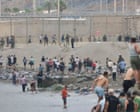
An estimated 72,000 migrants crossed into the Spanish enclave of Ceuta, located on the northern tip of Morocco, over the course of one week. Within 24 hours of their arrival, the majority of these individuals had reportedly returned to Morocco. Local officials confirmed that at least 88 people died during their attempts to cross the border. This event has been framed by some media outlets and political actors as a significant territorial threat to Europe, leading to increased calls for enhanced border security across the region.
European Union interior ministers convened an emergency meeting to address the situation in Ceuta. They asserted that the passport-free Schengen area's integrity was never genuinely at risk due to the scale of migrant arrivals. Despite these assurances, the narrative surrounding the events has been heavily influenced by misinformation and opportunistic political rhetoric, particularly from right-wing factions. This has overshadowed the factual circumstances on the ground and contributed to a heightened sense of crisis.
The situation in Ceuta is emblematic of broader challenges in managing migration and border security in Europe. The enclave, a Spanish territory bordering Morocco, is a frequent point of arrival for migrants seeking to enter the EU. The recent surge in arrivals, coupled with the tragic loss of life, underscores the perilous journeys undertaken by many individuals seeking a better life. The response from EU ministers indicates a desire to contain the immediate crisis and reassure member states about the security of external borders.
This incident also occurs against a backdrop of evolving immigration policies across Europe, which have become increasingly stringent in recent years. Governments are grappling with balancing humanitarian concerns with national security and public opinion. The events in Ceuta demonstrate how quickly a complex humanitarian situation can be amplified and politicized, particularly when combined with the rapid spread of information and misinformation through digital channels. The role of social media and partisan news coverage in shaping public perception of such events is a critical factor in understanding the ensuing political responses and policy debates.
Original source — read the full reporting at the publisher:
Read on The Guardian WorldGet the weekly AI digest
AI news + new model releases, weekly. Drafted by our agents, reviewed by humans.