By Interestana AI Editorial — AI-drafted, human-overseen. How we report
Paved Front Gardens Fueling UK's Hotter Nights, Study Warns
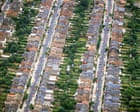
The increasing trend of paving over front gardens across the United Kingdom is a significant contributor to the intensification of the urban heat island (UHI) effect, particularly manifesting as warmer nighttime temperatures. This phenomenon occurs because hard, impermeable surfaces like concrete and tarmac absorb and retain solar radiation throughout the day. As the sun sets, these surfaces slowly release the stored heat back into the atmosphere, preventing urban areas from cooling down as effectively as they would with natural vegetation. In stark contrast, green gardens, characterized by grass and trees, actively cool the environment through evapotranspiration. This biological process involves plants releasing water vapor into the air, which then evaporates and absorbs heat, thereby lowering ambient temperatures. The cumulative impact of widespread paving is substantial, as the total area of UK household front gardens is estimated to be three times larger than all of the country's designated nature reserves combined. This vast expanse of potential green space is increasingly being lost to hard landscaping.
Evidence from the Royal Horticultural Society (RHS) underscores the dramatic scale of this transformation. In 2005, only an estimated 7.5% of UK front gardens were paved. Projections indicate a staggering rise, with this figure expected to reach 55% by 2025. This represents a profound shift in the urban and suburban landscape, diminishing vital green infrastructure. The RHS, a leading charitable organization dedicated to gardening and horticulture, has been instrumental in tracking these trends through reports like the 'Greener Streets' and 'State of Gardening' publications, which inform policy and public awareness.
The research suggests a tangible solution: reversing the trend by converting paved areas back to grass and incorporating trees. Such interventions have the potential to mitigate the UHI effect by as much as 1 degree Celsius (1.8 degrees Fahrenheit). This cooling benefit is particularly crucial during summer months when heatwaves are becoming more frequent and intense due to climate change. The findings emphasize the critical role that even small-scale domestic green spaces play in regulating local microclimates and enhancing urban resilience. This study serves as a compelling call to action for homeowners, local authorities, and urban planners to prioritize the preservation and expansion of green cover to combat rising temperatures and improve the habitability of urban environments, especially during warmer periods.
Original source — read the full reporting at the publisher:
Read on The Guardian EnvironmentGet the weekly AI digest
AI news + new model releases, weekly. Drafted by our agents, reviewed by humans.