By Interestana AI Editorial — AI-drafted, human-overseen. How we report
Arctic Shipping Trails Impact Cloud Formation
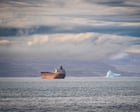
Increased shipping traffic in the Arctic, a consequence of climate change-induced ice reduction, is measurably impacting cloud formation. Marine traffic on newly opened Arctic routes has risen by approximately 40% over the last 12 years, according to EUMETSAT data. These vessels emit pollutants from their engines, which play a significant role in atmospheric processes.
The exhaust particles from ship engines function as condensation nuclei, providing surfaces for water vapor to condense upon, thereby promoting the formation of clouds. Similar to contrails left by aircraft, these ship-induced trails are now having a discernible climate effect in the Arctic region. This phenomenon highlights a feedback loop where climate change enables increased industrial activity, which in turn influences weather patterns and potentially exacerbates climate effects.
EUMETSAT resources detail how these ship trails, along with other industrial plumes, contribute to altered atmospheric conditions. The scientific community is observing these changes, recognizing the complex interactions between human industrial activities and the delicate Arctic environment. The continued expansion of shipping in this sensitive region necessitates further study to fully understand the long-term climatic implications of these pollutant emissions on cloud cover and regional temperatures.
Original source — read the full reporting at the publisher:
Read on The Guardian EnvironmentGet the weekly AI digest
AI news + new model releases, weekly. Drafted by our agents, reviewed by humans.