By Interestana AI Editorial — AI-drafted, human-overseen. How we report
Wisconsin Hit by Rare EF3 Tornado and Meteotsunami
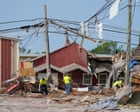
A rare and powerful EF3 tornado struck north-east Wisconsin on Monday, July 28, 2026, leaving a 12-mile path of destruction across western Appleton and Menasha before dissipating over Lake Winnebago. The tornado's duration was 26 minutes. The US National Weather Service classified the event as an EF3, a strength rarely seen in the region. This marks the fourth EF3 tornado to impact Wisconsin in 2026, a frequency not observed since 1984, indicating an unusually active tornado season for the state. The classification of EF3 signifies tornadoes capable of causing severe damage, with wind speeds estimated between 136 and 165 miles per hour, capable of lifting vehicles and destroying well-constructed homes.
In addition to the tornado, the region experienced a meteotsunami, an unusual meteorological phenomenon that generates tsunami-like waves. While the exact timing and scale of the meteotsunami in Wisconsin were not detailed, these events are typically caused by rapid changes in atmospheric pressure, often associated with severe weather systems like thunderstorms or squalls. Meteotsunamis can cause sudden and significant rises and falls in water levels, leading to coastal flooding and hazardous conditions for marine activities. The combination of a powerful tornado and a meteotsunami highlights a period of extreme and rare weather activity for Wisconsin.
This severe weather event in Wisconsin contrasts with ongoing heatwaves affecting Europe. While specific details on the European heatwave were not provided in the source material, the mention suggests a broader pattern of unusual global weather phenomena. The tornado's impact on Appleton and Menasha involved widespread damage, though the extent of property and infrastructure damage was not quantified. The 12-mile path indicates a significant area affected by the tornado's destructive winds. The rarity of an EF3 tornado in north-east Wisconsin underscores the exceptional nature of this event for the local area. The state's previous record for EF3 tornadoes in a single year was set in 1984, making the 2026 total particularly noteworthy for meteorologists and residents alike. The National Weather Service's classification provides a standardized measure of the tornado's intensity and potential for damage, with EF3 being a significant category indicating substantial destructive power.
Original source — read the full reporting at the publisher:
Read on The Guardian WorldGet the weekly AI digest
AI news + new model releases, weekly. Drafted by our agents, reviewed by humans.