By Interestana AI Editorial — AI-drafted, human-overseen. How we report
Europe Wildfires Fueled by Heat, Wind, and Drought
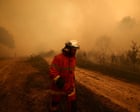
Europe's current wildfire season is proving exceptionally fierce and difficult to control due to a confluence of meteorological factors, including persistent high temperatures, strong winds, and prolonged drought. Spain and France have been particularly hard-hit in recent days, with fires igniting and spreading with unusual speed and intensity. The underlying conditions contributing to this "explosive" season are attributed to an unusually wet winter followed by a period of very low rainfall since spring, culminating in repeated record-breaking summer heatwaves. This weather pattern has transformed vegetation across western Europe into highly flammable "fine fuels," such as grass, pine needles, litter, and twigs, which typically dry out rapidly under hot, dry conditions. Approximately 90% of wildfires are initiated by human activity, and the current dry conditions have made ignition significantly easier. The extreme heat and dry vegetation create a perfect storm for rapid fire spread, overwhelming firefighting efforts. In addition to the heat and dry fuels, strong winds are exacerbating the situation by fanning the flames and pushing the fire fronts forward at alarming rates. The combination of these elements makes containment a monumental challenge for emergency services. The phenomenon of "fire clouds," also known as pyrocumulonimbus (pyrocb), has also been identified as a factor worsening wildfires in Europe. These are towering clouds that form when intense heat from a fire causes air to rise rapidly, carrying smoke and embers high into the atmosphere. These clouds can then generate their own weather, including lightning, which can spark new fires, and strong downdrafts that can spread existing fires further and faster. The intensity of the fires has been sufficient to create these dangerous atmospheric phenomena. The scale of the fires has led to significant disruption and damage, with firefighters battling to prevent blazes from approaching populated areas and critical infrastructure. The prolonged nature of the dry spell and the sustained high temperatures suggest that the risk of further wildfires remains elevated across the continent, posing a significant threat to ecosystems, communities, and economies. The situation underscores the growing impact of climate change on extreme weather events, making such intense wildfire seasons more frequent and severe.
Original source — read the full reporting at the publisher:
Read on The Guardian WorldGet the weekly AI digest
AI news + new model releases, weekly. Drafted by our agents, reviewed by humans.