By Interestana AI Editorial — AI-drafted, human-overseen. How we report
Wildfire Smoke Poses New Challenge for Weather Forecasts
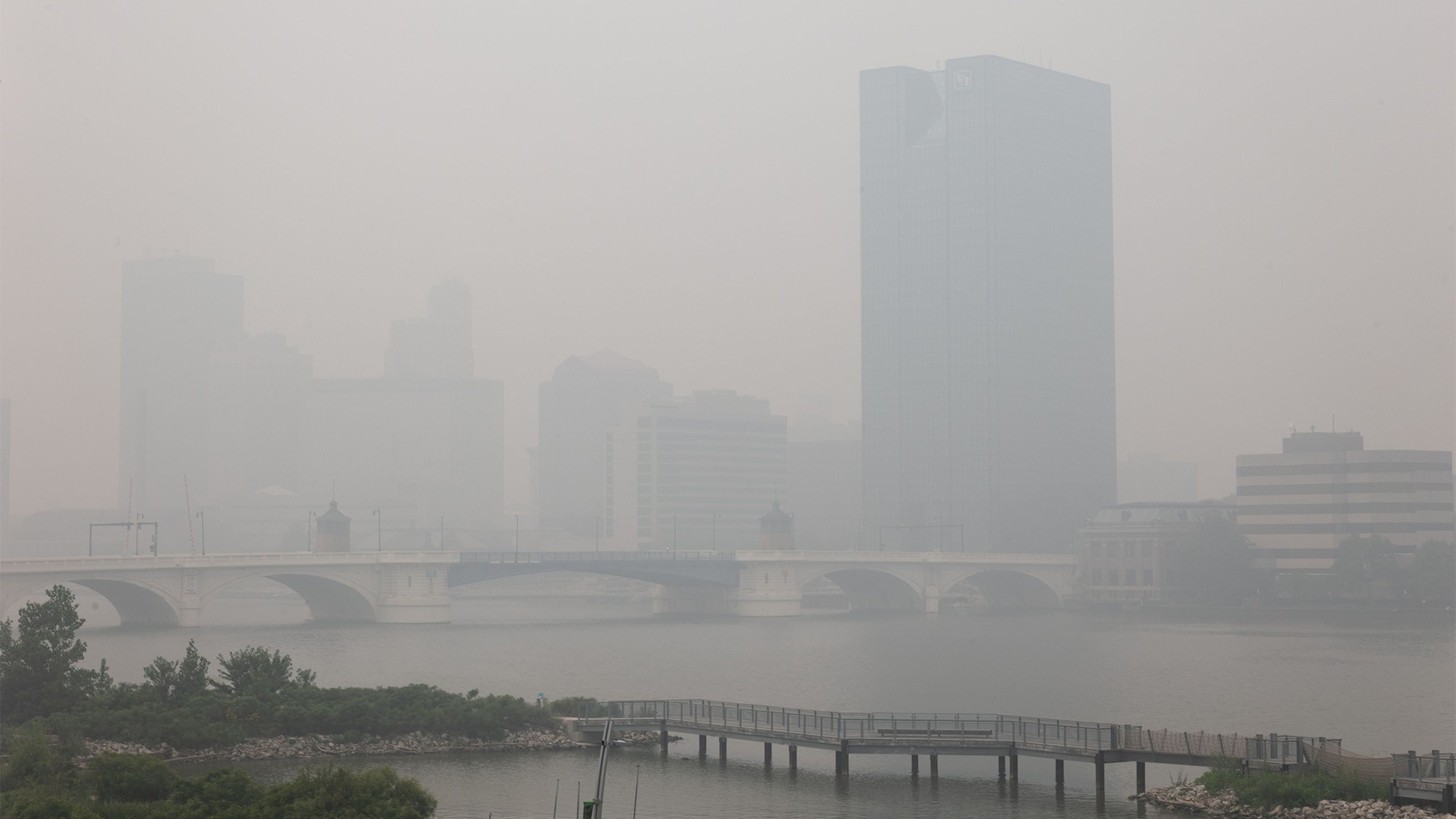
Current weather forecasting systems are inadequately equipped to predict the complex behavior and health impacts of wildfire smoke. These models, primarily designed for conventional meteorological phenomena like rain and temperature, often fail to account for the unique characteristics of smoke plumes, including their density, altitude, and chemical composition. This deficiency creates significant challenges for public health advisories and for individuals planning outdoor activities.
The unpredictability of smoke makes it difficult to determine safe air quality levels for extended periods. For instance, a forecast might indicate clear skies, only for dense smoke to roll in unexpectedly, rendering outdoor conditions hazardous. This disconnect between forecast and reality can lead to increased exposure to harmful particulate matter, exacerbating respiratory and cardiovascular conditions. The issue is compounded by the fact that smoke can travel hundreds or even thousands of miles from its source, affecting areas far removed from the initial wildfire.
Scientists and meteorologists are increasingly recognizing the need for advanced modeling techniques that can better integrate atmospheric chemistry and aerosol physics into standard weather predictions. This includes developing more sophisticated ways to track and forecast the dispersion of smoke particles, considering factors such as wind speed and direction at various altitudes, atmospheric stability, and the optical properties of the smoke. The goal is to provide more accurate and timely information to the public regarding air quality and potential health risks associated with wildfire smoke.
Addressing this forecasting gap is crucial for public safety and preparedness. As wildfire seasons become more intense and widespread due to climate change, the ability to accurately predict smoke impacts will become even more critical. Enhanced forecasting could enable more effective public health interventions, better resource allocation for wildfire response, and improved decision-making for businesses and individuals operating in affected regions. The development of specialized tools and data integration is essential to bridge the current limitations in predicting wildfire smoke's pervasive influence.
Original source — read the full reporting at the publisher:
Read on The AtlanticGet the weekly AI digest
AI news + new model releases, weekly. Drafted by our agents, reviewed by humans.