By Interestana AI Editorial — AI-drafted, human-overseen. How we report
Wildfire Crisis Demands Wartime Mobilization, Not Just Rhetoric
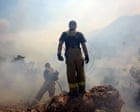
European nations are currently battling historic wildfires, prompting comparisons to the Second World War. France and Spain, in particular, are experiencing extensive blazes, with the Associated Press reporting one of the continent's largest evacuation efforts since WWII. French President Emmanuel Macron described the wildfire situation in his country as its "most difficult situation since the second world war." The visual imagery of these events—emergency aircraft, vast plumes of black smoke, displaced civilians, ruined historic towns, charred landscapes, and exhausted emergency responders—evokes a wartime atmosphere.
However, despite the frequent invocation of WWII as a point of reference, the article argues that governments are failing to adopt the crucial lessons learned from pre-emptive wartime action. The author, Seth Klein, contends that the current approach is insufficient and that a "wartime mindset" is necessary to effectively combat the escalating wildfire crisis. This mindset, according to Klein, involves a comprehensive mobilization of resources, a clear understanding of the existential threat, and the implementation of decisive, large-scale actions that go beyond incremental policy changes.
The comparison to WWII highlights a perceived lack of urgency and preparedness. During wartime, nations typically engage in total mobilization, reorienting economies, prioritizing national security, and fostering a collective sense of purpose to confront an existential threat. The current wildfire crisis, which is exacerbated by climate change, presents a similar existential challenge, yet the response appears to be characterized by a more piecemeal and reactive strategy. The article suggests that the scale of the threat requires a fundamental shift in how governments perceive and address wildfires, moving from a focus on immediate containment to long-term prevention and adaptation strategies that mirror the all-encompassing nature of wartime efforts.
This call for a "wartime mindset" implies a need for significant investment in fire prevention infrastructure, rapid deployment of advanced firefighting technologies, and robust community resilience programs. It also suggests a reevaluation of land management practices and urban planning in fire-prone areas. The author's critique centers on the disconnect between the gravity of the situation, as acknowledged by leaders through WWII comparisons, and the actual policy responses being implemented. Without adopting the proactive, all-hands-on-deck approach characteristic of wartime mobilization, the article implies that Europe, and indeed the world, will continue to struggle against the increasingly severe and frequent wildfire events driven by a changing climate.
Original source — read the full reporting at the publisher:
Read on The Guardian EnvironmentGet the weekly AI digest
AI news + new model releases, weekly. Drafted by our agents, reviewed by humans.