By Interestana AI Editorial — AI-drafted, human-overseen. How we report
Magali Reus Reimagines Waste in "Swimming By Night" Exhibition
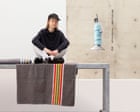
Dutch sculptor Magali Reus is reimagining the concept of waste through her art, creating monumental sculptures from everyday disposable objects. Her upcoming exhibition, "Swimming By Night," at the Perimeter in London, will feature these large-scale works, which aim to imbue discarded items with autonomy and deeper meaning. Reus's artistic process involves taking commonplace items such as pizza boxes and sardine tins and recreating them at a significantly larger scale, challenging viewers' perceptions of value and disposability. One notable example includes vast fish hook lures, meticulously crafted to resemble uncanny cupcake cases or severed skeletal limbs, which stand as a testament to her unique approach.
The exhibition's title, "Swimming By Night," suggests a journey through the often-unseen aspects of our consumerist society, where the remnants of our consumption are cast aside. Reus's studio, as described, is a space filled with these works in various stages of completion, highlighting the intensive and detailed nature of her practice. The courier's arrival for a crucial component of a sculpture underscores the final preparations for the show, indicating a significant upcoming event in the contemporary art world. Reus's work directly confronts the "extreme consumption and waste" that characterizes modern life, prompting reflection on the lifecycle of the objects we use and discard.
By elevating mundane and disposable items to the status of art, Reus compels audiences to reconsider their relationship with material culture. The sheer scale of her recreations—making sardine tins and fishing lures vast—serves to amplify their presence and force a confrontation with their original purpose and eventual fate. This artistic strategy not only highlights the ubiquity of these objects but also questions the inherent value we assign to them. The exhibition promises to be a thought-provoking exploration of consumerism, waste management, and the potential for transformation within the discarded elements of our society. Reus's ability to imbue these objects with a sense of autonomy suggests a narrative where the objects themselves gain agency, moving beyond their intended function and becoming subjects of artistic contemplation. The exhibition is set to open at the Perimeter in London, marking a significant moment for the artist and for discussions surrounding sustainability and art.
Original source — read the full reporting at the publisher:
Read on The Guardian CultureGet the weekly AI digest
AI news + new model releases, weekly. Drafted by our agents, reviewed by humans.