By Interestana AI Editorial — AI-drafted, human-overseen. How we report
Working Mothers Face Steep Decline Amidst Systemic Gaps
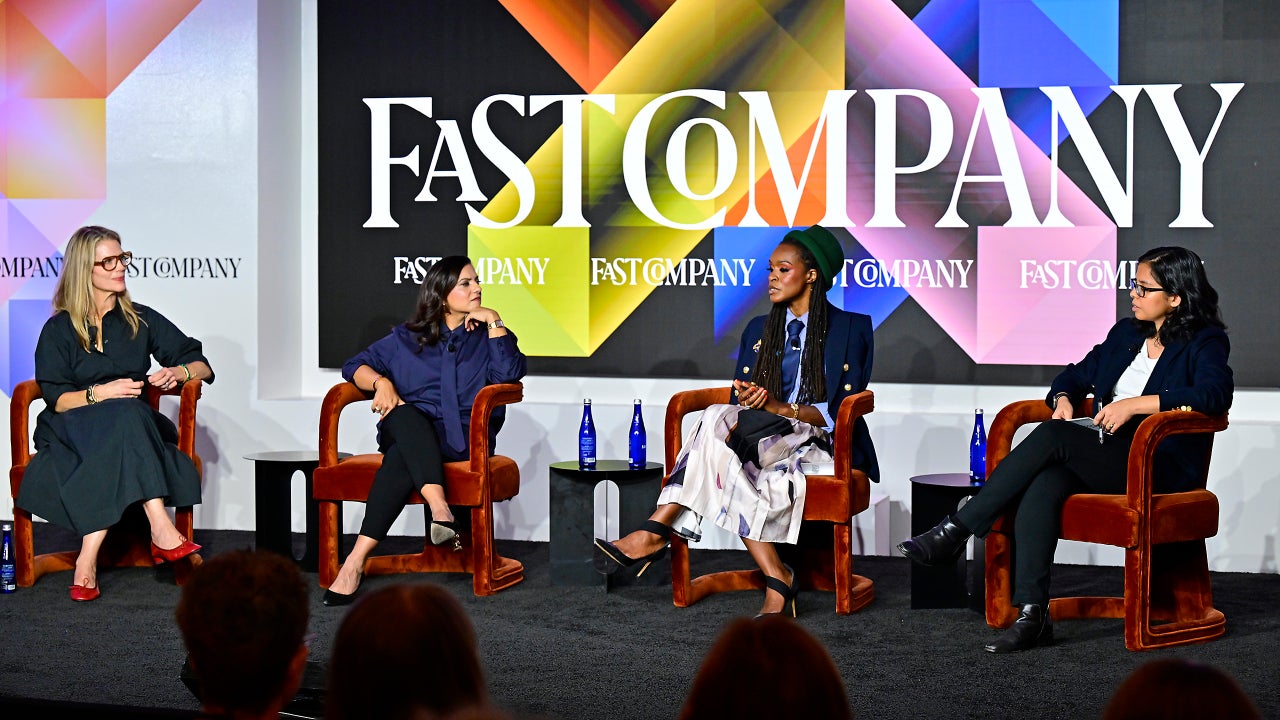
The United States experienced the steepest decline in working mothers with children under five years old in 40 years during the first half of last year, a trend that has continued, according to a University of Kansas study. This significant drop underscores a persistent systemic failure to adequately support working mothers, despite demonstrated capacity for such support in the past. During a recent Fast Company Innovation Festival, Shalene Gupta, a staff editor, engaged with mothers in senior leadership roles to explore the root causes of this issue and identify necessary improvements for workplaces and support systems.
Panelists at the festival highlighted historical precedents for governmental and workplace adaptation. Reshma Saujani, founder of Girls Who Code and now CEO of Moms First, an organization advocating for paid leave and affordable childcare, pointed to the Lanham Act during World War II. This act established the nation's first national childcare program, enabling millions of women to enter the workforce. However, Saujani noted that these centers were dismantled once men returned from the war. A similar pattern emerged during the COVID-19 pandemic. Despite women losing 1.5 million more jobs than men, according to Indeed's Hiring Lab, workplaces offered increased flexibility for parents, and billions in government childcare funding facilitated women's participation in the workforce. These supportive systems were subsequently dismantled.
Affordable childcare remains a widely supported initiative, with families clearly prioritizing it. New York City Mayor Zohran Mamdani has emphasized the provision of no-cost childcare. Alison Moore, CEO of Chief, a private membership network for women in leadership, observed during the pandemic that companies can demonstrate remarkable agility and speed when growth and capital are at stake. This adaptability, she suggests, is also being witnessed in response to the rapid advancements in artificial intelligence. The current crisis for working mothers is not a novel problem but a recurring consequence of dismantling support structures that were proven effective. The continued decline in maternal workforce participation indicates a critical need for sustained, systemic solutions rather than temporary measures. The economic and social implications of this trend are substantial, affecting not only individual families but also broader economic productivity and gender equality in the workplace. The insights shared by leaders like Saujani and Moore emphasize that the knowledge and capacity to create supportive environments exist, but the political and corporate will to implement and maintain them consistently is lacking. The challenge lies in translating this demonstrated capability into permanent, accessible infrastructure for working mothers.
Original source — read the full reporting at the publisher:
Read on Fast CompanyGet the weekly AI digest
AI news + new model releases, weekly. Drafted by our agents, reviewed by humans.