By Interestana AI Editorial — AI-drafted, human-overseen. How we report
Orphaned Grizzly Cubs Die After Release Into Wild
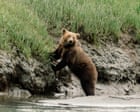
Scientists have discovered that orphaned grizzly bear cubs released into the wilds of British Columbia have a significantly low survival rate, with a recent study revealing that 10 out of 12 cubs died within a year of their release. These cubs had undergone rehabilitation, receiving a high-calorie diet that included roadkill, watermelon, dog food, and public donations, while minimizing human contact to just two caretakers. The study, published in Frontiers in Ecology and Evolution, tracked these Canadian yearlings in British Columbia and found that their rehabilitation, while seemingly beneficial in providing sustenance, did not adequately prepare them for the challenges of independent survival in their natural habitat. Dr. Lana M. Ciarniello, a bear specialist involved in the research, noted that the release of these animals is often perceived as a positive outcome, a "feelgood thing" for the public, but the reality is that these bears are rarely followed up on after their release. The perception that bears will naturally thrive once returned to the wild is not supported by the findings, which indicate a critical gap in post-release support and monitoring. A primary reason for the high mortality rate appears to be the cubs' inability to sustain themselves on a natural diet, which is less calorie-dense than their rehabilitation food. Furthermore, the limited human interaction during rehabilitation, intended to prevent habituation, may have inadvertently made them less wary of human presence in the wild, potentially leading to dangerous encounters. The study highlights a critical flaw in current rehabilitation and release protocols for orphaned bears, suggesting that the "feelgood" aspect of releasing cubs into the wild overlooks the complex ecological and behavioral challenges these animals face. The researchers advocate for improved post-release strategies to increase the chances of survival for orphaned bears, emphasizing that simply returning them to their natural environment is insufficient. The findings underscore the need for a more comprehensive approach to wildlife rehabilitation that addresses not only immediate nutritional needs but also the long-term development of essential survival skills and appropriate avoidance of human activity. This research challenges the conventional understanding of successful wildlife reintroduction and calls for a re-evaluation of practices to ensure the genuine well-being and survival of these vulnerable animals. The study's implications extend to conservation efforts for grizzly bears, a species already facing numerous threats in the wild. Without effective rehabilitation and release programs, efforts to bolster bear populations through orphaned cub care may be ultimately counterproductive, leading to unnecessary loss of life and wasted resources. The scientific community is now urged to consider these findings and implement more robust, evidence-based protocols for the rehabilitation and reintroduction of orphaned grizzly bears.
Original source — read the full reporting at the publisher:
Read on The Guardian EnvironmentGet the weekly AI digest
AI news + new model releases, weekly. Drafted by our agents, reviewed by humans.