By Interestana AI Editorial — AI-drafted, human-overseen. How we report
UK Scientists Launch Three-Year Shark Study
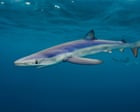
Scientists at the University of Exeter are embarking on a comprehensive three-year research project to investigate the lives of three of Britain's most vulnerable shark species: the porbeagle, tope, and blue shark. Dr. Lucy Hawkes, an associate professor at the university and co-leader of the project, highlighted the exciting nature of these species, noting that the porbeagle resembles a "baby great white shark" and emphasizing that despite their appearance, they are not dangerous to humans. The initiative aims to significantly boost scientific knowledge and inform conservation efforts for these under-understood marine animals.
The project will involve collaboration with anglers, who will assist scientists in gathering data. This partnership is crucial because sharks are often difficult to study directly in their natural habitat. By engaging the angling community, researchers hope to collect valuable information on shark populations, distribution, behavior, and health. The data collected will be vital for assessing the conservation status of these species and developing effective strategies to protect them. The University of Exeter, a leading research institution, is providing the academic framework and expertise for this endeavor.
Dr. Hawkes expressed enthusiasm for the project, stating, "We have really cool sharks." This sentiment underscores the often-overlooked biodiversity present in British coastal waters. The project seeks to change public perception and highlight the importance of marine conservation within the UK. The three-year duration allows for sustained data collection and analysis, providing a robust foundation for future research and policy recommendations. The findings are expected to contribute to a broader understanding of marine ecosystems and the role sharks play within them.
This initiative addresses a critical knowledge gap regarding shark populations in the UK. Many species are facing threats from habitat degradation, pollution, and historical overfishing. By focusing on the porbeagle, tope, and blue shark, the project targets species that are particularly vulnerable and require targeted conservation actions. The involvement of the public through angler participation not only aids data collection but also fosters a sense of stewardship and engagement with marine conservation issues. The University of Exeter's commitment to this project signifies the growing importance of marine science and conservation in the United Kingdom.
Original source — read the full reporting at the publisher:
Read on The Guardian EnvironmentGet the weekly AI digest
AI news + new model releases, weekly. Drafted by our agents, reviewed by humans.