By Interestana AI Editorial — AI-drafted, human-overseen. How we report
Artist Photographs Mother's Dementia Decline
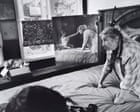
Artist Katherine Hubbard embarked on a profound photographic project documenting her mother, Antonette Berger, over a five-year period as her memory and cognitive functions declined due to LATE (limbic-predominant age-related TDP-43 encephalopathy). The project began in 2020 during the peak of the COVID-19 pandemic when Hubbard first noticed subtle but concerning changes in her mother's behavior while Berger was living alone in Philadelphia. After lifting of restrictions, Hubbard moved in with her mother, leading to the eventual diagnosis of LATE, a condition characterized by a slower progression of memory loss and functional impairment compared to Alzheimer's disease. Hubbard described the diagnostic process as "painful, drawn-out and confusing," followed by "so much grief, so much loss."
Central to Hubbard's artistic exploration were intimate and often challenging photographic sessions with her mother. In one particularly striking instance, Hubbard persuaded Berger to create nude body prints, a process that involved the artist and her mother covering themselves in Vaseline and pressing their bodies onto paper. These "wrenchingly beautiful images," as described by the article, capture the vulnerability and physical presence of Berger as her mind deteriorates. The photographs serve as a testament to their complex mother-daughter relationship and Hubbard's artistic response to the profound emotional and existential challenges of witnessing a loved one's cognitive decline. The project aims to confront the realities of aging, memory loss, and the enduring bonds of family through a deeply personal and artistic lens.
LATE is a neurodegenerative disease that affects the limbic system and is associated with the accumulation of TDP-43 protein aggregates in the brain. While sharing some symptomatic similarities with Alzheimer's disease, LATE typically progresses at a slower pace and can manifest with distinct patterns of cognitive and behavioral changes. The diagnosis and management of LATE present significant challenges for both patients and their families, often involving a lengthy and emotionally taxing journey. Hubbard's artistic endeavor provides a unique and powerful visual narrative of this experience, offering viewers a glimpse into the intimate realities of caregiving and the impact of neurodegenerative conditions on individuals and their relationships. The exhibition of these works, including those displayed at Studio Voltaire, allows for broader public engagement with these sensitive themes.
The project underscores the role of art in processing grief, exploring complex emotional landscapes, and fostering empathy. Hubbard's willingness to document such a personal and difficult period of her mother's life, including moments of profound vulnerability, highlights the transformative power of artistic expression. The resulting body of work is not only a memorial to her mother's life and struggles but also a broader commentary on the human experience of aging, illness, and the indelible connections that persist even in the face of profound loss. The photographs invite contemplation on themes of identity, memory, and the physical and emotional manifestations of disease.
Original source — read the full reporting at the publisher:
Read on The Guardian CultureGet the weekly AI digest
AI news + new model releases, weekly. Drafted by our agents, reviewed by humans.