By Interestana AI Editorial — AI-drafted, human-overseen. How we report
Waymo Expands to Snow City, Facing Its Toughest Driving Test
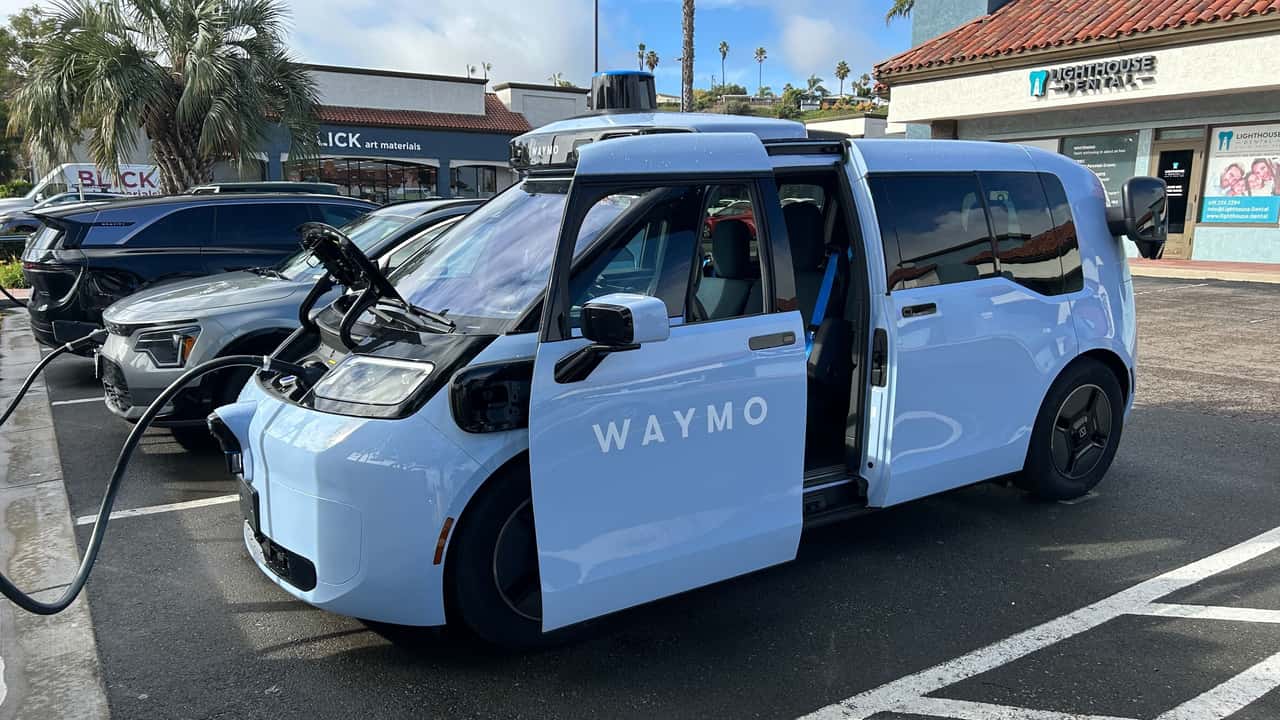
Waymo, the autonomous vehicle division of Alphabet Inc., is expanding its ride-hailing service to a new city that experiences substantial snowfall, marking a significant test for its self-driving technology. Previously, Waymo's operations have been concentrated in regions with warm climates and mild winters, such as Phoenix, Arizona, and San Francisco, California. The upcoming launch is in a location that receives approximately 56 inches of snow annually, a stark contrast to its existing operational environments. This expansion directly addresses one of the most formidable challenges for autonomous driving systems: navigating safely and reliably in adverse weather conditions, particularly snow and ice.
Snow presents a complex array of difficulties for autonomous vehicles. It can obscure lane markings, road edges, and traffic signals, making it harder for sensors like cameras and lidar to perceive the environment accurately. Snow accumulation on roads can alter traction, affecting braking and acceleration, and can also hide potholes or other road hazards. Furthermore, the behavior of other road users, including human drivers and pedestrians, can become less predictable in snowy conditions. Waymo's technology relies on a sophisticated suite of sensors and artificial intelligence to interpret its surroundings and make driving decisions. Successfully operating in a snowy environment will require the system to adapt to these degraded sensory inputs and dynamic road conditions.
The company has been conducting extensive testing in snowy conditions to prepare for this expansion. Waymo has previously shared that its vehicles have accumulated millions of miles in simulated and real-world snowy environments. This testing aims to refine the vehicle's ability to detect and track objects obscured by snow, maintain lane discipline on snow-covered roads, and execute smooth and safe maneuvers. The data gathered from these tests is crucial for training the AI models that power Waymo's autonomous driving system, enabling it to generalize its capabilities to new and challenging scenarios. The success of this launch will be a key indicator of the maturity and robustness of Waymo's technology in handling diverse and demanding real-world driving conditions.
This move into a snow-prone city is a critical step for Waymo as it aims to prove the widespread applicability of its autonomous driving technology. Achieving reliable operation in such conditions would significantly broaden the potential markets for autonomous ride-hailing services. It also positions Waymo to compete more effectively in regions where weather presents a significant barrier to current autonomous deployments. The company's ability to overcome the unique challenges posed by snow will be closely watched by the broader automotive and technology industries, as it could pave the way for similar expansions by other autonomous vehicle developers.
Original source — read the full reporting at the publisher:
Read on InsideEVsGet the weekly AI digest
AI news + new model releases, weekly. Drafted by our agents, reviewed by humans.