By Interestana AI Editorial — AI-drafted, human-overseen. How we report
UK Heatwaves Challenge Allotment Growers, Forcing Adaptation to Hotter, Drier Climate
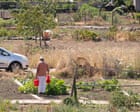
The United Kingdom has experienced a summer marked by repeated heatwaves and exceptionally dry weather, presenting considerable challenges for allotment holders. While recent rainfall has provided some temporary respite, experts from organizations like the Met Office and the Environment Agency have warned that widespread drought conditions will necessitate weeks of sustained precipitation to fully reverse, impacting crucial water supplies across the nation. This prolonged dry spell has forced individuals cultivating their own fruits and vegetables to confront a significantly altered growing season.
The Guardian spoke with numerous growers across England to understand their experiences and adaptation strategies in response to a hotter, drier climate. The consensus among most allotment holders is that the extreme heat has translated into more labor-intensive work for what have often been smaller crop yields. The intense solar radiation and lack of consistent moisture have demanded more frequent watering schedules and diligent tending to plants, thereby increasing the overall workload. For example, in Bristol, a city known for its vibrant allotment culture, some growers have reported that watermelons, a fruit typically associated with warmer climates and often grown as an experimental crop in the UK, have been negatively affected by the extreme temperatures and inconsistent water availability. These unusual weather patterns are compelling gardeners to re-evaluate their traditional planting strategies and the selection of crops they cultivate.
Despite the overarching difficulties, a silver lining has emerged for a few allotment holders. Some have reported unexpected successes with crops that are not traditionally considered well-suited to the UK's temperate climate. This suggests a potential, albeit localized, shift in the types of produce that can be cultivated successfully in the region, directly influenced by the ongoing climatic changes. However, these isolated positive outcomes do not diminish the broader challenges faced by the majority of growers, who are actively grappling with the adverse effects of prolonged dry spells and excessive heat. The situation serves as a stark illustration of the escalating impact of climate change on local food production and established gardening practices. The increasing frequency and intensity of extreme weather events in the UK underscore the necessity for developing more resilient gardening techniques and potentially exploring new, climate-appropriate crop varieties. The long-term implications for food security and the overall sustainability of small-scale agriculture are becoming increasingly critical areas of focus for both growers and environmental scientists. The current drought conditions further highlight the inherent vulnerability of existing water management systems and conventional agricultural practices when confronted with significant climate variability.
Original source — read the full reporting at the publisher:
Read on The Guardian EnvironmentGet the weekly AI digest
AI news + new model releases, weekly. Drafted by our agents, reviewed by humans.