By Interestana AI Editorial — AI-drafted, human-overseen. How we report
Rubbish Blankets Philippine River After Heavy Rain
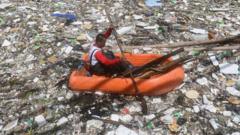
Workers in Manila were observed wading through a river heavily blanketed with rubbish on March 10, 2024, as waste accumulated following several days of persistent heavy rainfall. The scene depicted a significant environmental challenge in the Philippine capital, where urban waterways often become conduits for debris, particularly during monsoon seasons or periods of intense precipitation. The collected waste comprised a variety of discarded materials, including plastic bottles, styrofoam containers, and other forms of refuse commonly found in urban environments. This event underscores the persistent issue of waste management and pollution affecting the Philippines' waterways, which are vital ecosystems and sources of livelihood for many communities.
The accumulation of trash in the river is a recurring problem exacerbated by inadequate waste disposal systems and a lack of public awareness regarding the impact of littering. Heavy rains, common in the Philippines, intensify the issue by washing accumulated garbage from streets and informal settlements directly into rivers and esteros, which eventually flow into Manila Bay and the West Philippine Sea. This influx of solid waste not only pollutes the water but also poses a threat to aquatic life and can contribute to flooding by blocking drainage systems. Environmental groups have repeatedly called for stricter enforcement of anti-littering laws and more comprehensive waste management strategies to mitigate the problem.
The visual of workers manually collecting the debris highlights the labor-intensive and often insufficient efforts to clean these waterways. While such clean-up drives provide temporary relief, they do not address the root causes of pollution. Experts emphasize the need for a multi-pronged approach that includes public education campaigns to foster responsible waste disposal habits, improved infrastructure for waste collection and recycling, and policy interventions to reduce the production and consumption of single-use plastics. The long-term health of the Philippines' rivers and coastal areas depends on sustained efforts to tackle plastic pollution and enhance environmental stewardship among its citizens and governing bodies.
This incident serves as a stark reminder of the environmental pressures faced by densely populated urban areas like Manila. The sheer volume of waste visible in the river indicates the scale of the challenge in managing solid waste effectively. Without significant improvements in waste management infrastructure and a cultural shift towards sustainability, such scenes are likely to continue, impacting both the environment and the quality of life for residents. The Philippines, an archipelago nation, is particularly vulnerable to the effects of marine pollution, with plastic waste being a major contributor to the degradation of its rich biodiversity.
Original source — read the full reporting at the publisher:
Read on BBC World NewsGet the weekly AI digest
AI news + new model releases, weekly. Drafted by our agents, reviewed by humans.