By Interestana AI Editorial — AI-drafted, human-overseen. How we report
UK Exports 139,000 Tonnes of Rubbish to Turkey
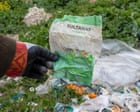
A Guardian investigation has revealed that the United Kingdom exported approximately 139,000 tonnes of plastic waste to impoverished districts in Adana, Turkey. This practice, described as 'waste colonialism,' has left local farmers and residents to contend with significant environmental degradation, including the proliferation of microplastics, toxic smoke emissions from uncontrolled burning, and widespread debris. The findings emerge a year after global talks aimed at curbing the plastic crisis collapsed, despite commitments from nations like the UK to foster a circular economy and protect the environment. The UK is identified as one of the world's largest exporters of plastic waste, participating in a global trade that allows it to offload substantial volumes of rubbish to other, predominantly poorer, countries. This export system is reported to exacerbate pollution, negatively impact public health, and contribute to waste crime in recipient nations.
The investigation highlights the stark contrast between the UK's stated environmental goals and its actual waste management practices. While former marine minister Emma Hardy expressed disappointment over the stalled global plastic treaty talks and pledged the UK's commitment to environmental protection, the continued export of waste suggests a reliance on externalizing environmental burdens. The sheer volume of waste exported, quantified at 139,000 tonnes to Adana alone, underscores the scale of this issue. The specific impacts on the ground in Adana include the contamination of agricultural land with microplastics, posing a threat to food production and local ecosystems. Furthermore, the burning of waste, often in unregulated conditions, releases toxic fumes that directly affect the air quality and health of nearby populations. The accumulation of debris further degrades the landscape and poses physical hazards.
This situation in Adana is emblematic of a broader global challenge where developed nations transfer their waste management problems to developing countries, often with inadequate infrastructure and regulatory oversight to handle such volumes and types of waste. The economic incentives for waste brokers and the lack of stringent international regulations contribute to the perpetuation of this trade. The Guardian's reporting aims to shed light on the tangible consequences of this waste export, moving beyond abstract statistics to illustrate the human and environmental toll. The farmers and communities in Adana are bearing the brunt of a consumption pattern and waste generation that originates far beyond their borders, raising critical questions about global environmental justice and the equitable distribution of environmental responsibilities. The investigation serves as a call to action for more robust national and international policies to address the plastic waste crisis at its source and prevent the exploitation of vulnerable regions through 'waste colonialism'.
Original source — read the full reporting at the publisher:
Read on The Guardian EnvironmentGet the weekly AI digest
AI news + new model releases, weekly. Drafted by our agents, reviewed by humans.