By Interestana AI Editorial — AI-drafted, human-overseen. How we report
Wasp Spider Spotted in Cheshire, England
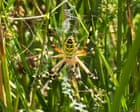
The Argiope bruennichi, commonly known as the wasp spider, has been observed in Cheshire, England, a region where it is rarely seen. This sighting, confirmed by conservationists from Chester Zoo, represents the first documented instance of this species in the north and west of Britain. The wasp spider is native to mainland Europe, north Africa, and Asia, and its presence in Cheshire is being viewed as a potential indicator of climate change. This species is characterized by its venomous bite and distinctive web-spinning patterns, and it is known to consume its mates. Its expansion into new territories like the north of England is part of a broader trend that conservationists are monitoring closely. The presence of non-native species can pose a threat to indigenous wildlife, potentially disrupting local ecosystems. The Argiope bruennichi's ability to thrive in new environments suggests a shift in climatic conditions that may favor its migration and survival. Conservation efforts are often challenged by the unpredictable spread of species due to environmental changes. The observation in Cheshire highlights the ongoing impact of global heating on biodiversity, prompting further investigation into the ecological consequences of such range expansions. The Chester Zoo conservationists discovered the fully grown female wasp spider in a rewilded field, underscoring the role of habitat restoration in potentially supporting new species. The scientific community is increasingly documenting such phenomena as evidence of climate-induced migration. The wasp spider's distinctive black and yellow coloration and its unique web structures make it a notable find. Its dietary habits, including cannibalism of mates, are also a subject of ecological study. The implications of this species establishing itself in the UK could be significant for native invertebrate populations. Further research will be necessary to understand the long-term effects of this climate refugee on the British ecosystem. The observation serves as a tangible example of how global warming can alter geographical distributions of flora and fauna, leading to what are sometimes termed 'climate refugees' – species displaced or expanding their range due to changing environmental conditions. The specific location in Cheshire, a rewilded field, suggests that altered land use and environmental conditions might be contributing factors to the spider's presence. The conservationists' discovery underscores the importance of ongoing biodiversity monitoring and research in understanding and potentially mitigating the impacts of climate change.
Original source — read the full reporting at the publisher:
Read on The Guardian WorldGet the weekly AI digest
AI news + new model releases, weekly. Drafted by our agents, reviewed by humans.