By Interestana AI Editorial — AI-drafted, human-overseen. How we report
Washington Wildfires Force Mass Evacuations
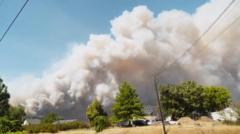
Wildfires across Washington state have consumed more than 250,000 acres, compelling widespread evacuations and causing extensive power outages. State officials confirmed the scale of the disaster, highlighting the immediate threat to communities and infrastructure. The fires, which have spread rapidly due to dry conditions and high winds, are impacting multiple counties, forcing residents to flee their homes with little notice. Emergency services are stretched thin as they work to contain the blazes and assist displaced populations. The full extent of the damage to homes and businesses is still being assessed, but initial reports indicate significant losses in several areas. Power outages are affecting thousands of residents, complicating evacuation efforts and leaving many without essential services. The Washington State Department of Natural Resources is coordinating the firefighting efforts, deploying ground crews and aerial resources to combat the multiple fire fronts. The severity of the fire season underscores the ongoing challenges posed by climate change and its impact on wildfire risk in the Pacific Northwest. Residents in affected areas are being urged to follow evacuation orders immediately and to stay informed through official channels. The long-term implications for the affected communities, including economic recovery and environmental restoration, are expected to be substantial. The current firefighting strategy involves a combination of containment lines, water drops, and strategic burnout operations to slow the spread of the fires. The number of active fire incidents has fluctuated as new ignitions occur and others are brought under control. The focus remains on protecting lives and critical infrastructure while working to suppress the uncontrolled blazes. The economic impact is also a growing concern, with potential disruptions to agriculture, timber, and tourism industries. The state is working with federal agencies to secure additional resources and support for the firefighting operations and for the recovery efforts that will follow once the fires are extinguished. The immediate priority, however, is the safety of the public and the suppression of the active wildfires that continue to threaten communities and natural landscapes across the state. The ongoing dry weather patterns are a significant factor contributing to the intensity and spread of these fires, creating a challenging environment for firefighters. The state's emergency management division is providing updates on evacuation zones and shelter availability for displaced residents. The long-term ecological impact on forests and wildlife habitats is also a significant concern that will require extensive study and rehabilitation efforts in the coming years. The current acreage burned represents a substantial portion of the state's wildlands, highlighting the severity of the current fire season. The coordinated response involves multiple agencies, including local fire departments, state forestry agencies, and federal firefighting teams, all working together to manage the complex and dangerous situation. The economic cost of fighting these fires, combined with the potential losses from property damage, is expected to be considerable, requiring significant financial investment for both immediate response and long-term recovery.
Original source — read the full reporting at the publisher:
Read on BBC World NewsGet the weekly AI digest
AI news + new model releases, weekly. Drafted by our agents, reviewed by humans.