Washington D.C. Fortifies for Fourth of July Amid Security Concerns
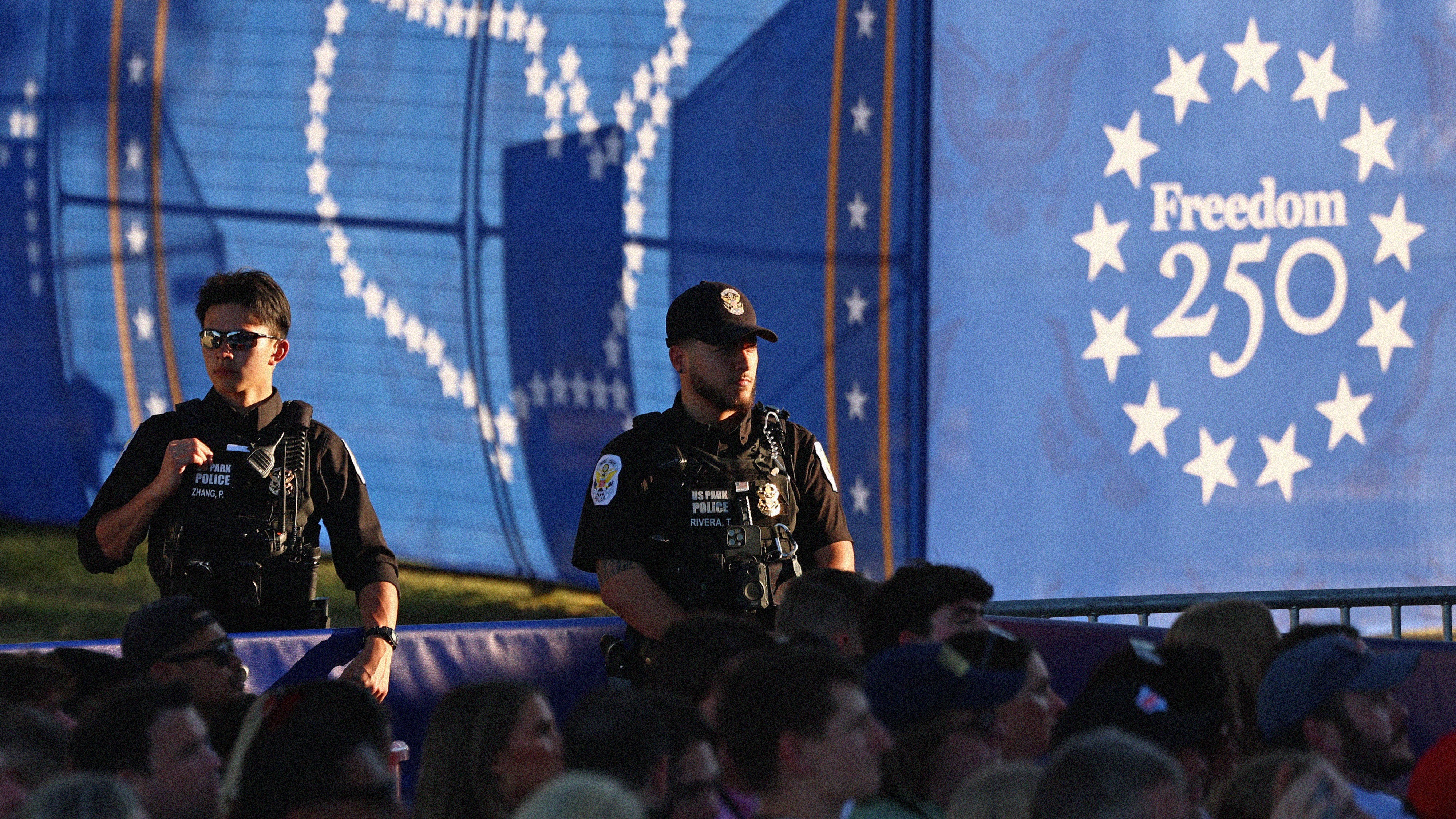
Washington D.C. is preparing for a significant security operation for its Fourth of July celebrations, transforming the city into a heavily guarded zone. The National Park Service announced a series of road closures and access restrictions across the National Mall and surrounding areas, effective from July 3rd through July 5th. These measures are designed to ensure public safety during the anticipated large crowds for the fireworks display and other festivities.
The security plan involves a multi-agency coordination effort, including the U.S. Park Police, the Secret Service, and the D.C. Metropolitan Police Department. Authorities have emphasized increased law enforcement presence, surveillance, and stringent screening protocols for attendees. Specific areas around the Washington Monument, Lincoln Memorial, and the Tidal Basin will face the most significant restrictions, with many streets and pedestrian pathways closed to the public. The goal is to prevent any potential security threats and manage the logistical challenges posed by the event.
In addition to physical security, the D.C. Homeland Security and Emergency Management Agency (HSEMA) is coordinating public information efforts to guide residents and visitors. Information regarding prohibited items, transportation alternatives, and updated access points is being disseminated through official channels. The city aims to balance robust security with the public's ability to enjoy the national holiday. The scale of the security operation reflects ongoing concerns about public safety at large-scale events, particularly in the capital.
This year's Fourth of July celebration in Washington D.C. is expected to draw hundreds of thousands of attendees, making the security preparations a critical component of the event's success. The extensive measures are intended to provide a secure environment for both participants and the general public, ensuring a safe and memorable observance of Independence Day.
Original source — read the full reporting at the publisher:
Read on The Atlantic