By Interestana AI Editorial — AI-drafted, human-overseen. How we report
Friar Unearths 19th Century Elixir Recipe Linked to Coca-Cola
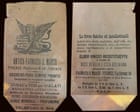
An Italian friar has discovered a 19th-century document detailing a recipe for a fatigue-fighting elixir that bears striking similarities to the ingredients of Coca-Cola, sparking speculation about its potential as a precursor to the iconic soft drink. Father Manuel Russo, the rector of the San Marco convent in Florence, found the yellowed document, described as a promotional flyer, while organizing the pharmacy archives of the ancient convent. The document outlines a potion formulated using Bolivian coca leaves and kola nuts, combined with wine.
The discovery was made within the historical archives of the San Marco convent, a site with a long-standing tradition of medicinal preparations. The convent's pharmacy was known for producing various remedies, and this particular document suggests a sophisticated understanding of herbal and botanical ingredients for therapeutic purposes. The inclusion of coca leaves, which contain cocaine, and kola nuts, a source of caffeine, aligns with the foundational components of Coca-Cola, a beverage famously developed in the late 19th century by pharmacist John Stith Pemberton. Pemberton's original formula for Coca-Cola also included coca leaf extract and kola nuts, intended to be a medicinal tonic.
While the exact date of the document is not precisely stated, its description as "from the 19th century" places it within the relevant historical period for the origins of Coca-Cola. The friar's description of the document as a "promotional flyer" suggests that the elixir was not merely a private medicinal preparation but was intended for wider distribution or marketing, hinting at an early commercial intent. This aspect further strengthens the parallel with Coca-Cola, which evolved from a medicinal tonic to a globally recognized commercial beverage.
The potential connection to Coca-Cola is significant given the beverage's immense cultural and economic impact. If this Florentine elixir predates or is contemporaneous with the earliest formulations of Coca-Cola and shares key ingredients, it could offer new insights into the historical development of popular beverages and the medicinal origins of many modern consumables. Further analysis of the document and its historical context is required to definitively establish any direct lineage or influence between the friars' elixir and the creation of Coca-Cola by Pemberton. The San Marco convent, a UNESCO World Heritage site, has a rich history dating back to the 13th century, and its archives continue to yield historical treasures.
Original source — read the full reporting at the publisher:
Read on The Guardian WorldGet the weekly AI digest
AI news + new model releases, weekly. Drafted by our agents, reviewed by humans.