By Interestana AI Editorial — AI-drafted, human-overseen. How we report
Investors Doubt Fed Chair’s Resolve on Inflation Target
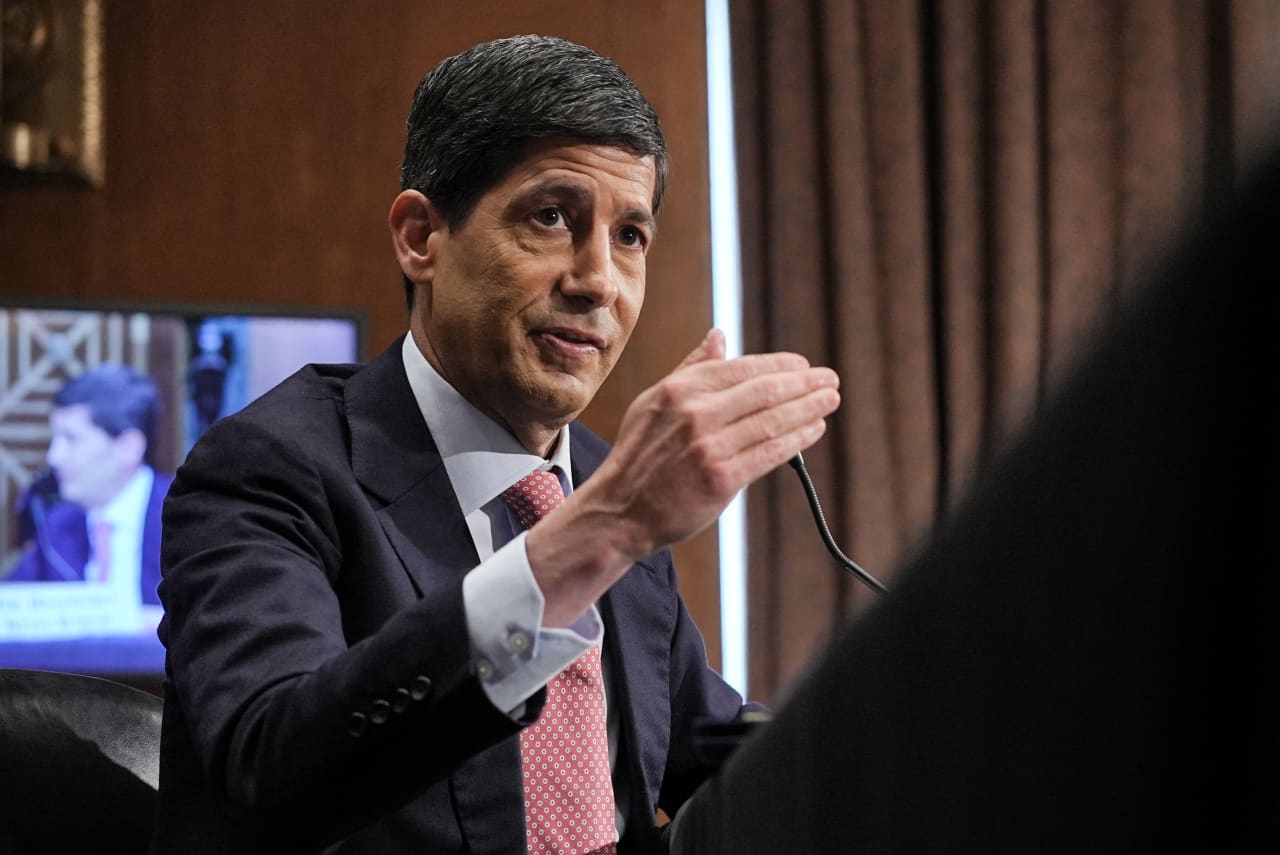
Federal Reserve Chair Jerome Powell has publicly stated the central bank's unwavering commitment to reducing U.S. inflation to its 2% target. However, a growing segment of investors on Wall Street is expressing skepticism regarding this resolve, leading to concerns about the Fed's future monetary policy actions. This doubt stems from various factors, including recent economic data and the perceived trade-offs between inflation control and economic growth.
Powell's insistence that the Federal Reserve will "do whatever it takes" to achieve price stability has been a consistent message. This phrase, often interpreted as a signal of aggressive policy tightening, has historically been used to reassure markets during periods of high inflation. Yet, current market sentiment suggests that investors are not fully convinced that the Fed will maintain this hawkish stance if faced with significant economic headwinds, such as a sharp rise in unemployment or a substantial slowdown in economic activity. The 2% inflation target, established by the Federal Reserve in 2012, represents a long-term goal aimed at maintaining price stability and fostering maximum employment. Achieving this target typically involves adjusting interest rates to influence borrowing and spending throughout the economy.
The skepticism among investors is not without basis. The Federal Reserve has already implemented a series of interest rate hikes aimed at curbing inflation, which has remained stubbornly above the target for an extended period. While these measures have shown some signs of cooling the economy, they have also raised concerns about the potential for a recession. Investors are closely monitoring economic indicators such as the Consumer Price Index (CPI), the Personal Consumption Expenditures (PCE) price index, and employment figures to gauge the trajectory of inflation and the Fed's response. Any indication that the Fed might pivot to a more accommodative stance prematurely, perhaps to avoid a severe economic downturn, could undermine its credibility in fighting inflation.
This divergence in perception between the Fed's stated intentions and investor expectations creates a degree of uncertainty in financial markets. It can influence asset prices, bond yields, and currency valuations. The Federal Reserve's credibility is a crucial component of its effectiveness; if markets believe the Fed will falter in its inflation fight, it could lead to inflation expectations becoming unanchored, making the task of bringing inflation down even more challenging. The central bank's communication strategy, therefore, plays a vital role in managing these expectations and reinforcing its commitment to its mandate. The coming months will be critical in determining whether Powell's rhetoric translates into sustained policy action that satisfies both inflation targets and investor confidence.
Original source — read the full reporting at the publisher:
Read on MarketWatchGet the weekly AI digest
AI news + new model releases, weekly. Drafted by our agents, reviewed by humans.