By Interestana AI Editorial — AI-drafted, human-overseen. How we report
Oxford Study Links Hot Drink Habit to Esophageal Cancer Risk
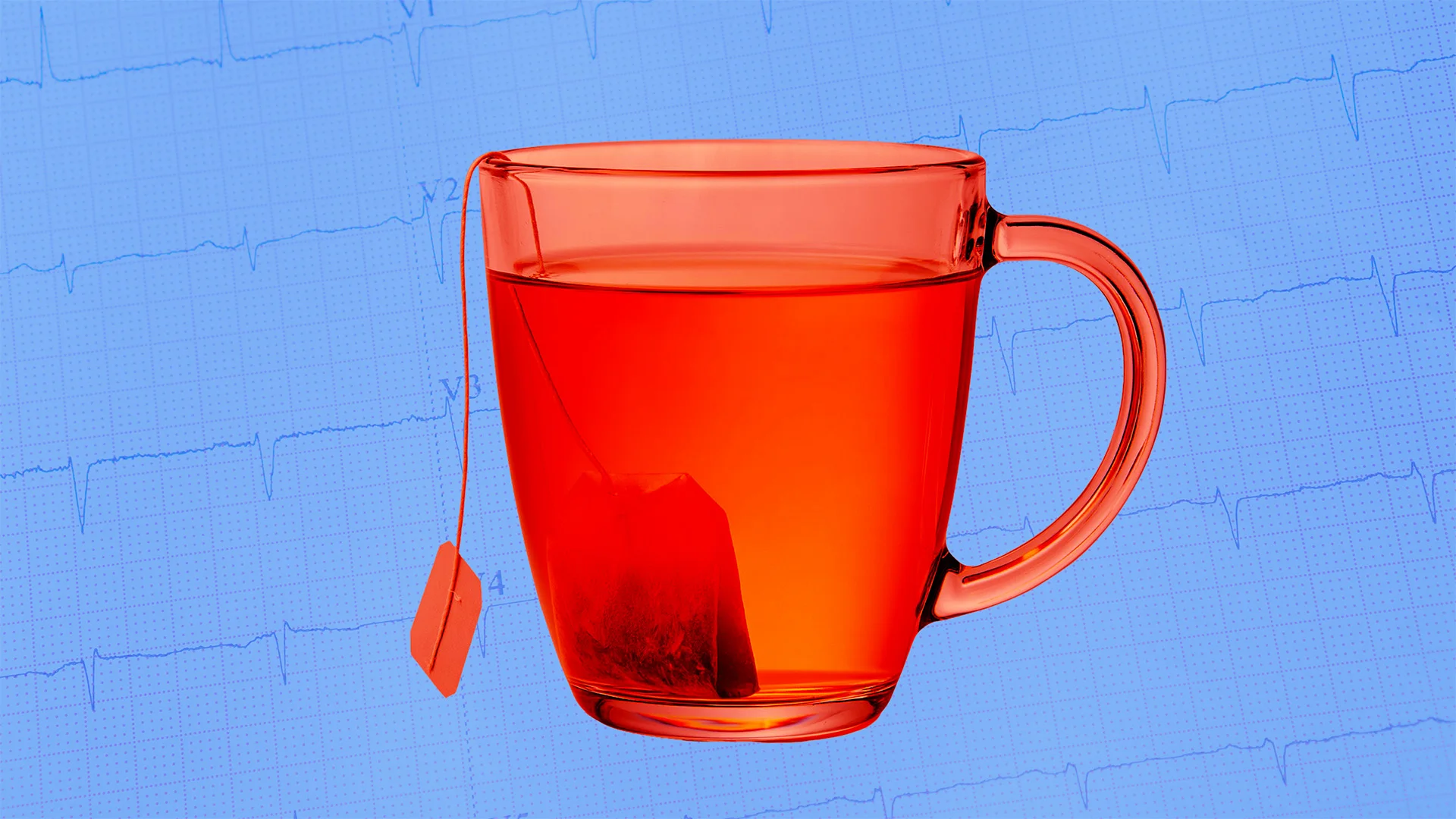
A comprehensive study conducted by Oxford University researchers has identified a significant link between a common hot drink habit and an elevated risk of esophageal cancer. The analysis, which examined data from approximately 980,000 adults, revealed that consuming beverages at very hot temperatures is associated with a higher likelihood of developing this particular form of cancer. While the study did not specify the exact temperature threshold considered 'too hot,' it emphasized that the practice of drinking any hot beverage at scalding temperatures poses a notable risk.
Esophageal cancer, which affects the tube connecting the throat to the stomach, is a serious and often aggressive disease. The International Agency for Research on Cancer (IARC), part of the World Health Organization (WHO), previously classified very hot beverages as "probably carcinogenic to humans" in 2016. This classification was based on limited evidence in humans and sufficient evidence in experimental animals. The Oxford study provides further, large-scale epidemiological data supporting this concern, focusing on the habit of consuming these beverages at high temperatures.
The researchers highlighted that the risk is not attributed to the type of beverage itself, but rather to its temperature. This means that common drinks like tea, coffee, or even hot water, when consumed at temperatures exceeding a certain, albeit undefined, threshold, could contribute to cellular damage in the esophagus over time. Repeated thermal injury to the esophageal lining is believed to be a key factor in the development of cancer, as it can lead to chronic inflammation and subsequent cellular mutations.
While the study's findings are significant, they also underscore the importance of individual habits in cancer prevention. The researchers suggest that modifying the habit of drinking beverages at excessively high temperatures could be a simple yet effective strategy to reduce the risk of esophageal cancer. This involves allowing hot drinks to cool down to a more moderate temperature before consumption, a behavioral change that requires minimal effort but could yield substantial health benefits. The study's findings are expected to inform public health recommendations and encourage greater awareness regarding the potential dangers of consuming very hot drinks.
Original source — read the full reporting at the publisher:
Read on Inc.Get the weekly AI digest
AI news + new model releases, weekly. Drafted by our agents, reviewed by humans.