By Interestana AI Editorial — AI-drafted, human-overseen. How we report
Walmart Uses 3D Printing for Store Construction
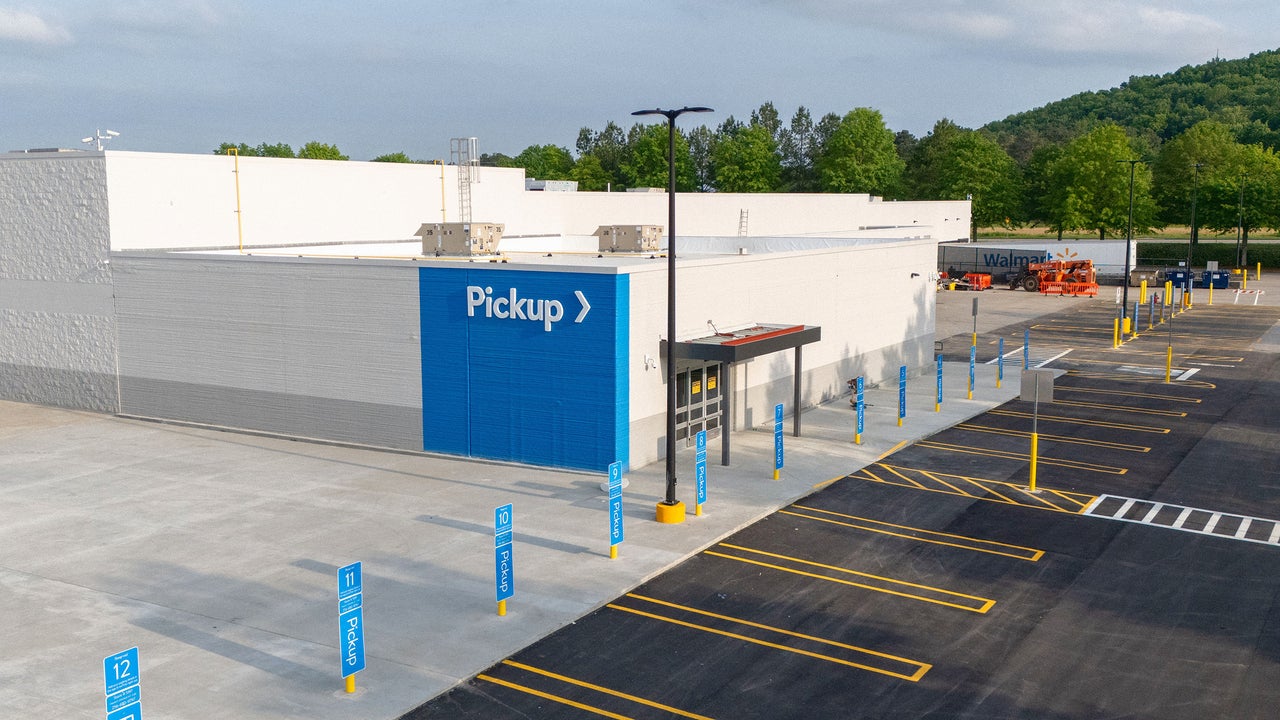
Walmart is utilizing 3D printing technology to construct additions to its retail stores, representing the largest deployment of 3D-printed architecture in the U.S. commercial sector to date. Over the past two years, contractors working on behalf of Walmart have completed 3D-printed walls for five additions to existing stores located in Tennessee, Missouri, Alabama, and Arkansas. This initiative aims to reduce construction costs and accelerate building timelines, leveraging Walmart's significant scale to foster the growth and adoption of 3D printing in construction. The technology, which involves piping layers of a concrete composite, has primarily been used for residential structures due to their smaller scale and the technology's developmental stage. Expanding its application to the commercial sector, particularly for larger projects with substantial budgets, is expected to demonstrate the process's utility and potentially lower overall construction expenses. Walmart has partnered with Alquist, the manufacturer of the A1X 3D printers, and FMGI, a long-standing contractor for the retail giant, for these projects. FMGI, based in Woodstock, Georgia, and founded by Darin Ross, has been instrumental in operating Alquist's printers. Ross, who has observed the construction industry's slow adoption of new technologies for three decades, expressed enthusiasm for this innovative approach, stating that the industry has historically adhered to traditional methods. FMGI's expertise in operating the robotic printers, which extrude a concrete composite material in layers, has been crucial to the success of these initial builds. The company has also recently expanded its existing agreement with Walmart to continue 3D printing for the retailer. This move by Walmart could significantly influence the broader construction industry, encouraging greater investment and innovation in 3D printing as a viable method for commercial building projects. The successful application of this technology in a large-scale retail environment may pave the way for its wider adoption across various commercial sectors, potentially transforming how buildings are designed and constructed in the future. The company's commitment to exploring and implementing advanced manufacturing techniques underscores its ongoing efforts to optimize operational efficiency and cost-effectiveness across its vast network of stores. The use of 3D printing offers a sustainable alternative with reduced material waste compared to traditional construction methods, further aligning with potential environmental goals. The specific cost savings and time reductions achieved through these initial projects have not yet been publicly disclosed by Walmart, but the company's continued investment suggests positive outcomes. The expansion of 3D printing into commercial construction is a notable development, and Walmart's leadership in this area could accelerate the technology's maturity and market penetration.
Original source — read the full reporting at the publisher:
Read on Fast CompanyGet the weekly AI digest
AI news + new model releases, weekly. Drafted by our agents, reviewed by humans.