By Interestana AI Editorial — AI-drafted, human-overseen. How we report
Walmart CEO John Furner Embraces AI for Retail Operations
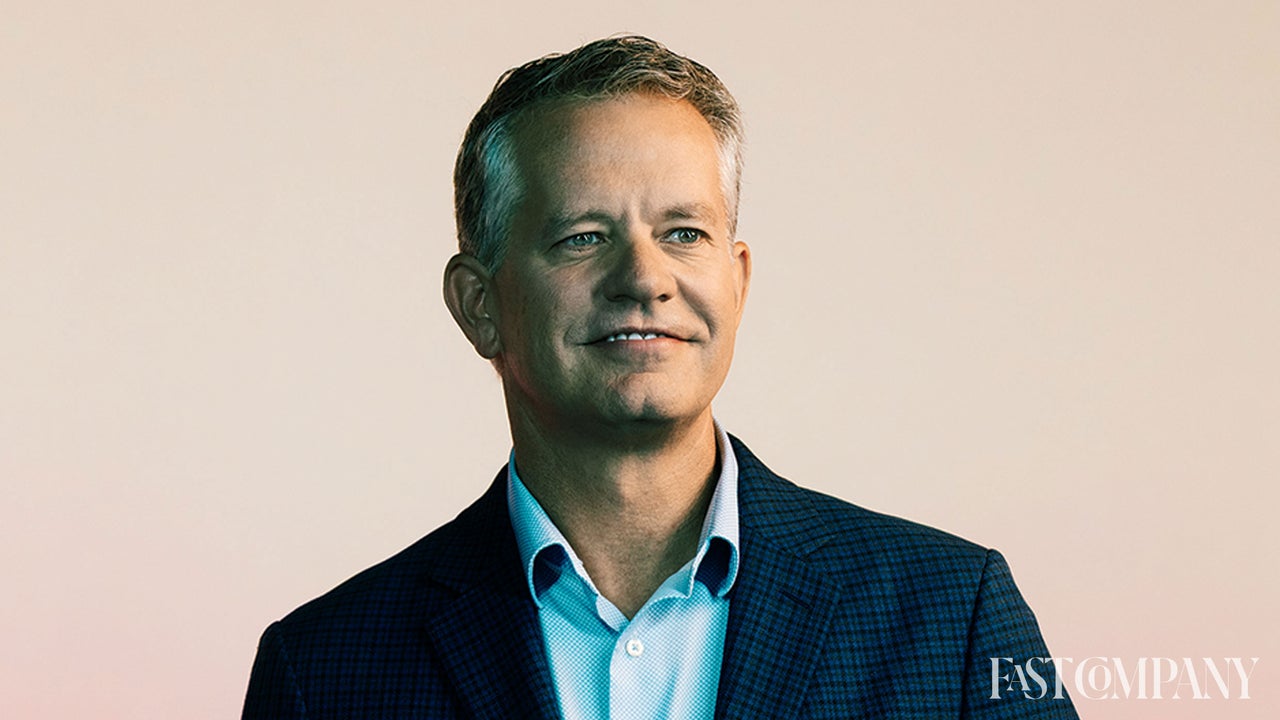
John Furner, the 51-year-old CEO of Walmart, is spearheading a significant transformation within the retail giant, focusing on integrating artificial intelligence across its extensive network of 5,200 U.S. stores. Furner, who began his career at Walmart at age 18 as a part-time associate in a Bentonville garden center, has risen through various leadership roles, including head of Walmart China and CEO of Sam's Club, before assuming the top position of Walmart U.S. in 2019 and subsequently becoming the global CEO in February. His vision for Walmart involves utilizing the company's physical footprint as a critical asset for AI implementation, aiming to create an "unstoppable AI engine." This strategy was highlighted during Walmart's annual Associates Week in Fayetteville, Arkansas, where Furner addressed approximately 6,500 employees from 19 countries. The event, which featured performances by artists like Benson Boone, Shaboozey, and Pink, culminated in Furner's keynote address, underscoring his commitment to the company's 2.1 million associates and its future direction.
Furner's approach emphasizes that Walmart's nearly 11,000 stores globally, with over 4,700 in the U.S. alone, represent a unique advantage in the evolving retail landscape. These locations are not merely points of sale but are being re-envisioned as hubs for data collection and AI-powered operations. The company is exploring how to deploy AI to enhance various aspects of its business, from supply chain management and inventory optimization to customer service and in-store experiences. By harnessing the data generated from millions of daily transactions and customer interactions within its stores, Walmart aims to achieve greater efficiency, personalize offerings, and maintain its competitive edge against rivals like Amazon and other emerging e-commerce platforms.
The strategic integration of AI is expected to impact every level of Walmart's operations. This includes optimizing delivery routes, predicting product demand with greater accuracy, managing store staffing, and potentially developing new AI-driven services for both customers and associates. Furner's background, having worked his way up from an entry-level position, provides him with a deep understanding of the company's operational intricacies, which he is now applying to this ambitious technological overhaul. The company's scale, with its vast employee base and extensive store network, positions it uniquely to pilot and implement AI solutions on a massive scale, potentially setting new industry standards for AI adoption in retail. The focus is on making AI a seamless, integrated part of the existing infrastructure rather than a separate initiative, thereby maximizing its impact and ensuring widespread adoption among its workforce. This initiative signifies a major step in Walmart's ongoing efforts to modernize and innovate its business model in response to changing consumer behaviors and technological advancements.
Original source — read the full reporting at the publisher:
Read on Fast CompanyGet the weekly AI digest
AI news + new model releases, weekly. Drafted by our agents, reviewed by humans.