By Interestana AI Editorial — AI-drafted, human-overseen. How we report
Wall Street Analysts Unsettled by Fed Chair Kevin Warsh's Muted Communication Style
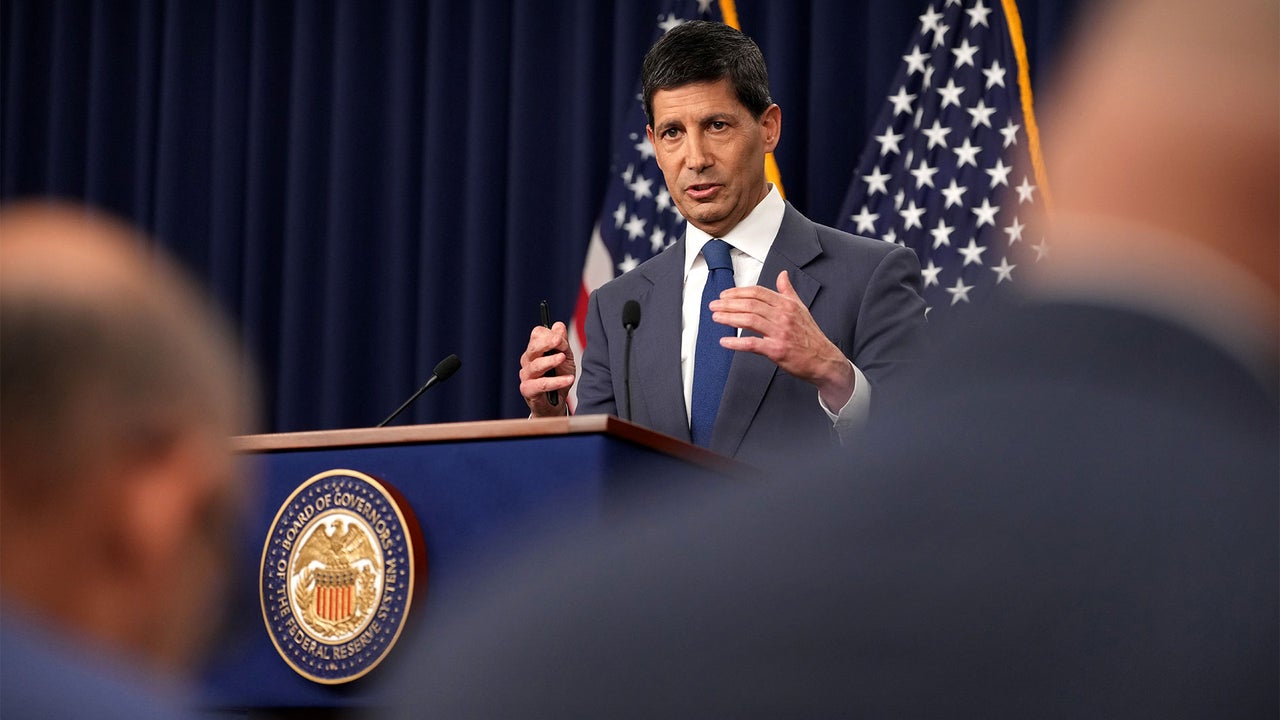
Kevin Warsh, the newly appointed Chair of the Federal Reserve, has initiated a notable departure from the communication norms established by his predecessors. Unlike former chairs who provided detailed pronouncements on economic conditions and inflation outlooks, Warsh has adopted a more reserved approach, revealing significantly less information. This shift in transparency has not been met with widespread approval among economists and Wall Street investors, who are expressing a degree of unease.
Warsh is poised to address these concerns and bolster his credentials as a staunch inflation fighter during a high-profile speech at the Federal Reserve's annual economic symposium in Jackson Hole, Wyoming. The event, a traditional forum for central bankers to discuss pressing economic issues, offers Warsh a critical platform to articulate his vision. Many economists and market participants are keenly anticipating a clear signal regarding his strategy for tackling the persistent and stubbornly elevated inflation that has cast a pall over consumer sentiment.
At his most recent press conference, Warsh's reticence to directly answer repeated inquiries about whether the Fed would consider raising its benchmark interest rate in the face of high inflation led to considerable confusion. He has explicitly stated his aversion to providing what analysts term "forward guidance." This refers to explicit indications about the Federal Reserve's future monetary policy decisions, such as whether interest rates will be hiked, cut, or held steady at upcoming Federal Open Market Committee (FOMC) meetings. Warsh's rationale is that such guidance unduly constrains the Fed's operational flexibility, potentially committing it to a specific policy path prematurely. Furthermore, he believes that financial markets have developed an unhealthy over-reliance on these pronouncements.
However, a segment of economists argues that Warsh could offer greater insight into his policy perspectives without compromising his commitment to flexibility. David Wilcox, a senior fellow at the Peterson Institute for International Economics, a respected think tank focused on international economic policy, emphasizes the need for Warsh to "clarify the conceptual framework he'll bring to directing monetary policy." Wilcox notes that Warsh has thus far declined to provide even this foundational level of illumination, leaving many analysts in the dark.
Whether Warsh will indeed offer such clarification in his upcoming Jackson Hole address remains an open question. In a prior announcement, he indicated that his speech would delve into "big questions" of contemporary economic relevance, including the transformative potential of artificial intelligence (AI) and its impact on productivity, the long-term implications of demographic shifts, and the global economy's capacity to withstand geopolitical shocks, citing the Iran war as a hypothetical example.
The challenge of managing elevated price levels is a concern that extends far beyond the confines of financial markets. While inflation figures did show a cooling trend after reaching a peak in May and June, its persistent nature continues to be a significant source of apprehension for both consumers and policymakers alike, underscoring the importance of Warsh's forthcoming remarks.
Original source — read the full reporting at the publisher:
Read on Fast CompanyGet the weekly AI digest
AI news + new model releases, weekly. Drafted by our agents, reviewed by humans.