By Interestana AI Editorial — AI-drafted, human-overseen. How we report
Cuba's Regime Change Hopes Dim After Nine Months
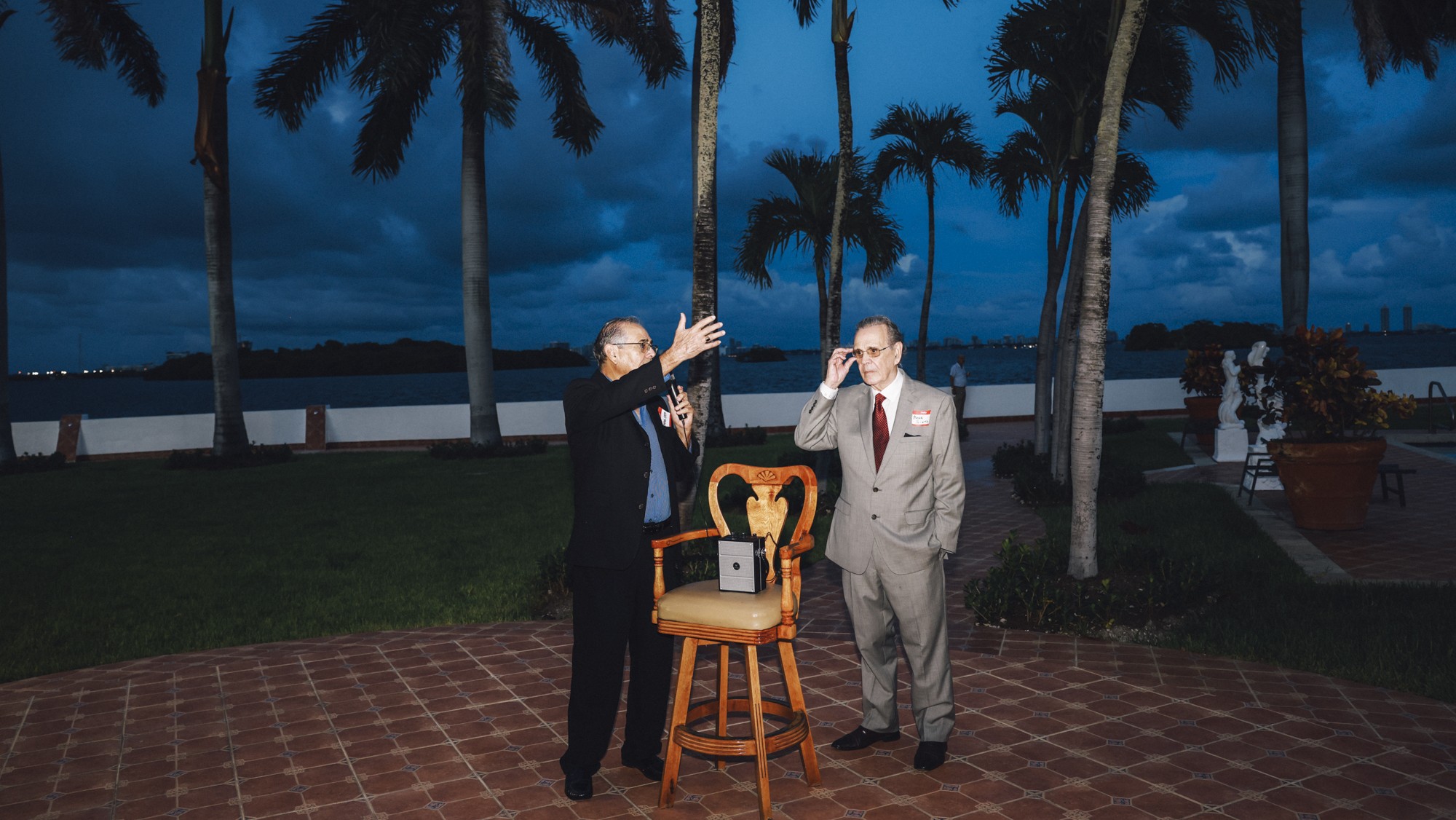
Nine months ago, significant expectations for a regime change in Cuba were prevalent, suggesting an imminent shift in the country's political landscape. However, these optimistic projections have since been tempered by the persistent realities of Cuba's economic and political situation. The initial momentum and widespread belief in a rapid transformation have gradually subsided, replaced by a more sober assessment of the challenges involved in achieving substantial change. This shift in perspective reflects a deeper understanding of the entrenched nature of the current government's control and the complex socio-economic factors that continue to shape the island's trajectory.
The period leading up to these expectations was marked by various internal and external pressures on the Cuban government. These pressures included ongoing economic difficulties, exacerbated by international sanctions and the global impact of events such as the COVID-19 pandemic. Dissatisfaction among segments of the population, fueled by shortages of essential goods, inflation, and limited freedoms, also contributed to the belief that change was on the horizon. Furthermore, international attention and diplomatic efforts, while not always overtly interventionist, played a role in shaping the discourse around Cuba's future. The initial perception was that these combined factors had created a critical juncture, making a transition of power or a significant policy overhaul highly probable.
However, the anticipated regime change has not materialized as swiftly or as comprehensively as many had hoped. The Cuban government has demonstrated resilience in maintaining its authority, employing a combination of political maneuvering, security measures, and appeals to national sovereignty. Economic reforms, where implemented, have often been incremental and have struggled to address the fundamental structural issues plaguing the economy. The government has also actively managed public discourse and dissent, limiting the space for organized opposition. International actors, while continuing to express concerns, have found their leverage limited by geopolitical considerations and the Cuban government's strategic responses. The initial optimism has thus given way to a more protracted and uncertain outlook, where incremental adjustments rather than a dramatic overhaul appear to be the more likely path forward in the immediate future.
The current situation in Cuba is characterized by a complex interplay of enduring challenges and the government's adaptive strategies. While the underlying causes of discontent—economic hardship and political restrictions—remain, the immediate prospect of a fundamental regime change has receded. This does not preclude the possibility of future shifts, but it underscores the significant obstacles and the long-term nature of any transformative process. The initial period of heightened expectation has transitioned into a phase of sustained observation, with analysts and observers now focusing on the gradual evolution of Cuba's political and economic systems rather than anticipating a sudden collapse or revolution. The narrative has shifted from imminent change to the enduring complexities of Cuban governance and society.
Original source — read the full reporting at the publisher:
Read on The AtlanticGet the weekly AI digest
AI news + new model releases, weekly. Drafted by our agents, reviewed by humans.