By Interestana AI Editorial — AI-drafted, human-overseen. How we report
Musk's AI Company Challenges Citizen Lawsuit Rights
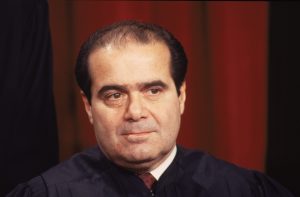
Elon Musk's artificial intelligence company, alongside right-leaning legal activists, has initiated broad legal challenges targeting the long-standing right of private citizens, groups, and local governments to file lawsuits over violations of numerous federal laws in the United States. This legal movement argues that the U.S. Constitution vests significant authority in the president and federal agencies to determine the enforcement of federal law, asserting that Congress improperly delegated this power through "citizen suits" embedded in legislation such as environmental and campaign finance laws. Opponents of this challenge, including environmental advocates, warn that eliminating citizen suits would dismantle a critical, decades-old mechanism used to enforce regulations, collect fines from non-compliant entities, and compel legal action against lawbreakers. These suits have historically been instrumental in extracting millions of dollars from polluting industries and ensuring the remediation of environmental damage, such as the removal of lead pipes in Flint, Michigan, following its water crisis.
Four federal cases, with one filed in the week preceding the report, are currently progressing. Legal experts observe that the current conservative majority on the Supreme Court presents a more favorable environment for opponents of citizen suits to achieve success than in previous years. The strategy for these opponents involves securing early victories in federal courts and fostering disagreements among the nation's appellate courts. Such judicial divergence could elevate the issue's prominence, potentially persuading the Supreme Court to review and issue a nationwide ruling. The legal groundwork for such challenges was laid in 2000, following a Supreme Court opinion that acknowledged the potential for such disputes. Richard Lazarus, a Harvard professor specializing in environmental law with extensive experience in the field, noted that many legal professionals working in this area have anticipated such a development for approximately 26 years, referring to it as "this shoe to drop." This anticipation stems from earlier judicial discourse, including comments made by former Justice Anthony Kennedy in a 2000 Clean Water Act case. Kennedy had raised "difficult and fundamental" questions regarding whether citizen suits improperly diminish executive power, thereby opening a door for future legal scrutiny.
The legal strategy aims to consolidate executive authority within federal agencies, arguing that the interpretation and enforcement of laws should remain solely within the purview of the executive branch. This perspective posits that allowing private parties to initiate litigation dilutes the president's constitutional mandate and creates an uneven application of justice. Proponents of citizen suits counter that such mechanisms are essential for democratic accountability and provide a vital check on governmental and corporate power, particularly in areas where agency enforcement may be slow, underfunded, or politically influenced. The outcome of these pending cases could significantly reshape environmental protection, consumer safety, and financial regulation enforcement across the United States, potentially weakening the ability of ordinary citizens and communities to seek redress for harms caused by violations of federal law.
Original source — read the full reporting at the publisher:
Read on FortuneGet the weekly AI digest
AI news + new model releases, weekly. Drafted by our agents, reviewed by humans.