By Interestana AI Editorial — AI-drafted, human-overseen. How we report
VW Seeks Tariffs as Chinese PHEVs Surpass Tiguan in Europe
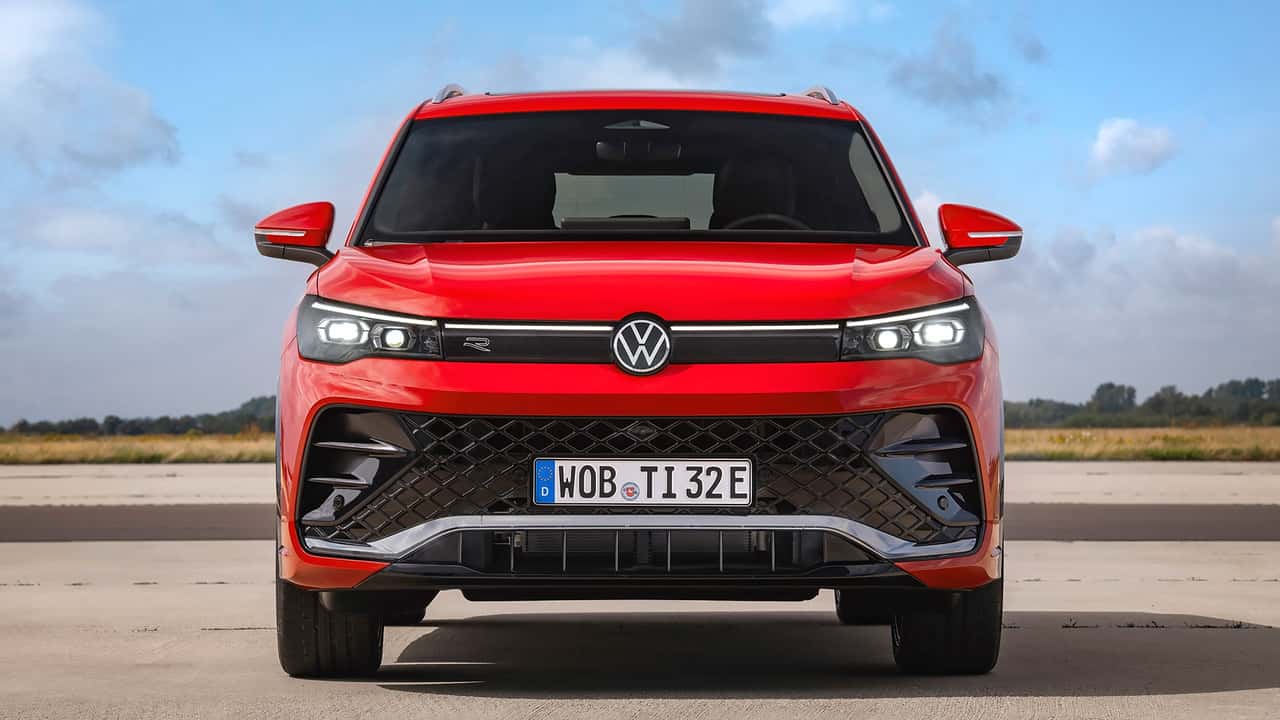
Volkswagen is advocating for increased tariffs on Chinese electric vehicles (EVs) in Europe, a move prompted by the significant market penetration of Chinese plug-in hybrid electric vehicles (PHEVs). The German automaker's best-selling model in Europe, the Tiguan plug-in hybrid, has been notably surpassed in sales by Chinese competitors. Previously a dominant force, the Tiguan now struggles to maintain its position on the sales podium, indicating a shift in market dynamics. This development underscores the growing competitiveness of Chinese automotive manufacturers in the European market, particularly in the rapidly expanding PHEV segment.
Volkswagen's concern stems from the rapid ascent of Chinese brands, which are not only challenging established European players but also gaining substantial market share. The company's appeal for higher tariffs suggests a strategy to level the playing field and protect its domestic and European market presence from what it perceives as potentially unfair competition, possibly due to subsidies or different manufacturing cost structures. The European Union has been investigating the impact of Chinese EVs on its market, and Volkswagen's stance aligns with broader calls from some European industries for protective trade measures. The specific sales figures and the exact timeline of the Tiguan's decline from its leading position were not detailed, but the sentiment indicates a significant and recent shift.
The competitive landscape in Europe is rapidly evolving, with a strong push towards electrification. While European manufacturers have been investing heavily in EV technology, Chinese companies have emerged as formidable rivals, offering a range of vehicles that are often competitively priced and technologically advanced. The Tiguan, a popular compact SUV, has historically been a strong performer for Volkswagen, making its dethroning a clear signal of the changing tides. The company's call for tariffs is a direct response to this intensifying competition and a bid to preserve its market share and profitability in a crucial automotive region. The outcome of these calls for tariffs could have significant implications for the European automotive industry and the pricing of EVs available to consumers.
This situation highlights a broader global trend where Chinese automakers are increasingly making their mark on international markets. Their success in Europe, particularly with PHEVs, suggests a strategic focus on segments that offer a transitionary path to full electrification, appealing to a wider consumer base. Volkswagen's proactive stance, seeking governmental intervention through tariffs, reflects the high stakes involved in the global automotive transition and the challenges faced by legacy automakers in adapting to new competitive pressures. The company's future strategy will likely involve a combination of product innovation, cost management, and potentially lobbying for trade policies that support its market position.
Original source — read the full reporting at the publisher:
Read on InsideEVsGet the weekly AI digest
AI news + new model releases, weekly. Drafted by our agents, reviewed by humans.