By Interestana AI Editorial — AI-drafted, human-overseen. How we report
Nigeria's Vulture King Fights Disappearing Scavenger Population
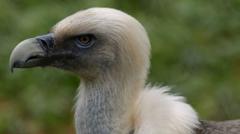
Nigeria's vulture population is facing a severe decline, prompting conservation efforts led by individuals like the self-proclaimed 'Vulture King.' These scavenger birds, crucial for ecosystem health by consuming carcasses and preventing disease spread, are disappearing at an alarming rate. The primary threats identified include accidental poisoning from pesticides and veterinary drugs, as well as intentional hunting for their use in traditional medicine and rituals. Specific veterinary drugs, such as diclofenac, have been identified as highly toxic to vultures, causing kidney failure and death. The demand for vulture body parts in traditional practices, fueled by beliefs that they can enhance spiritual powers or cure ailments, further exacerbates the problem. This decline has significant ecological consequences, as the absence of vultures can lead to an increase in populations of disease-carrying rodents and insects, potentially impacting public health. Conservationists are working to raise awareness about the ecological importance of vultures and to advocate for stricter regulations on the sale and use of harmful veterinary drugs. Community engagement is also a key strategy, aiming to educate local populations about the negative impacts of hunting vultures and to promote alternative practices. Efforts include establishing protected areas, monitoring vulture populations, and rehabilitating injured birds. The 'Vulture King,' whose real name is not provided in the source, has dedicated himself to rescuing and caring for injured vultures, providing a sanctuary for them and educating the public. His work highlights the grassroots nature of conservation efforts in Nigeria, often driven by passionate individuals facing significant challenges. The long-term survival of Nigeria's vulture species, including the White-backed Vulture (Gyps africanus) and the Hooded Vulture (Necrosyrtes monachus), depends on a multi-faceted approach that addresses both direct threats and the underlying socio-cultural factors contributing to their decline. Without effective intervention, the ecological balance that vultures help maintain is at risk, potentially leading to cascading negative effects on the environment and human well-being. The ongoing efforts aim to secure a future where these vital scavengers can continue their essential role in the Nigerian landscape.
Original source — read the full reporting at the publisher:
Read on BBC World NewsGet the weekly AI digest
AI news + new model releases, weekly. Drafted by our agents, reviewed by humans.