By Interestana AI Editorial — AI-drafted, human-overseen. How we report
Volvo Axes EX40 EV in US, Eyes 2027 Replacement Amid Electrification Push
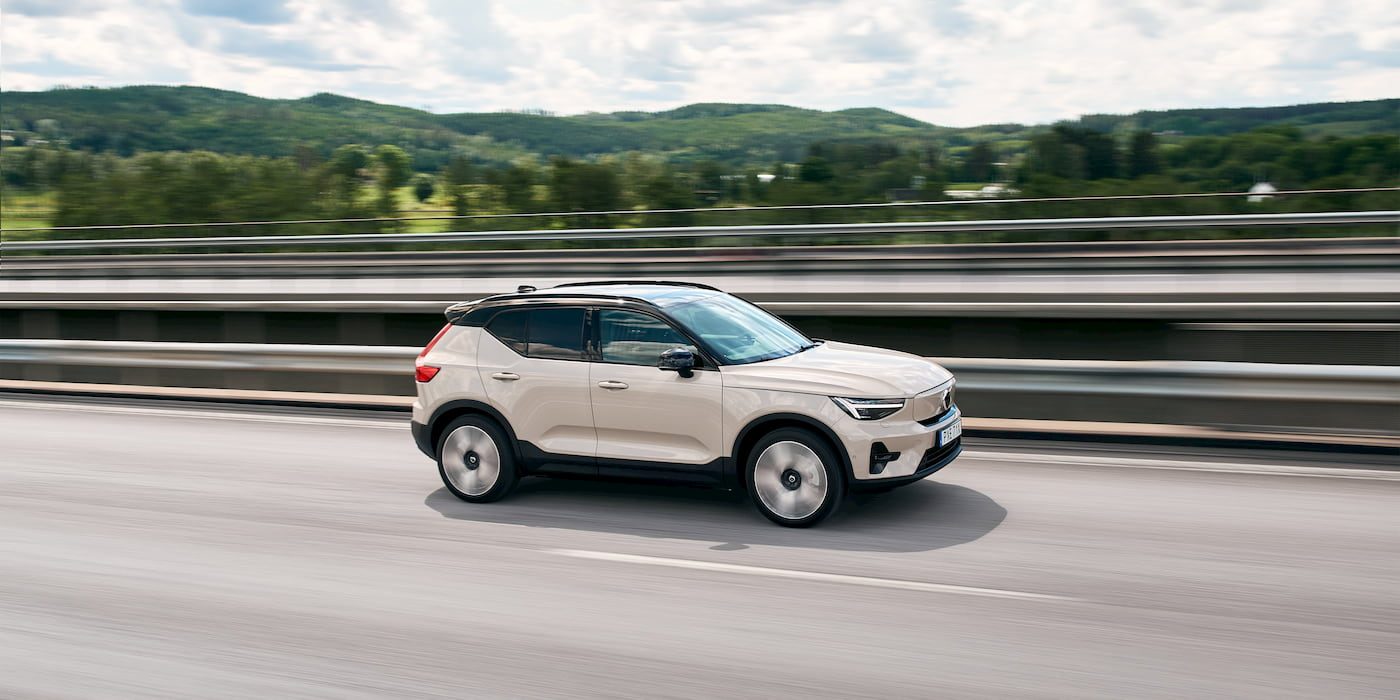
Volvo is discontinuing the EX40 electric vehicle model from its United States lineup, marking a significant shift in its EV strategy for the American market. This move leaves the EX60 as Volvo's most affordable electric vehicle option currently available in the US, with a starting price of approximately $60,000. The EX40, previously known as the XC40 Recharge before a rebranding effort that saw several of its electric models renamed to align with its core sedan and SUV nomenclature (e.g., XC40 Recharge became EX40, C40 Recharge became EC40), was a key component of Volvo's push towards electrification. Its discontinuation signals a recalibration of the company's product offerings and future EV development priorities for the US.
While the EX40 is being phased out, Volvo has indicated that a replacement EV model is planned for release in 2027. Specific details about this upcoming vehicle have not yet been disclosed, but its introduction is intended to fill the gap left by the EX40 and further bolster Volvo's electric portfolio. This strategic adjustment aligns with the broader automotive industry's transition to electric mobility, though the timeline suggests a temporary reduction in Volvo's EV model diversity in the US. The EX40, launched in 2020 as the XC40 Recharge, was Volvo's first fully electric SUV and played a crucial role in establishing the brand's presence in the burgeoning EV market. Its removal, particularly from a key market like the US, suggests a strategic pivot towards newer, potentially more advanced or differently positioned electric vehicles.
The decision to remove the EX40 from the US market comes as Volvo continues to invest heavily in its global electrification goals. The company, owned by the Chinese automotive giant Geely, has previously announced ambitions to become a fully electric car manufacturer by 2030, a target that underscores the urgency of its EV transition. This includes significant investments in battery technology, electric powertrain development, and the expansion of its manufacturing capabilities for EVs. The EX40's departure may also be influenced by evolving market demand for specific EV segments, production capacity constraints, or the strategic positioning of its forthcoming successor, which is expected to leverage Volvo's latest EV architecture and battery technology. The competitive landscape for EVs in the US is increasingly crowded, with established automakers and new entrants vying for market share, making strategic product planning paramount.
Volvo's commitment to electrification remains a core tenet of its business strategy. The company is focusing on developing new platforms and technologies that will underpin its future electric vehicles, aiming to enhance range, performance, and charging capabilities. The introduction of a new EV in 2027 will be crucial for maintaining its competitive edge and meeting evolving consumer expectations in the rapidly growing electric vehicle sector. The interim period without the EX40 will test the market's reception to the remaining EV offerings, primarily the EX60 and the larger EX90 SUV, and the company's ability to manage its transition effectively while preparing for its next generation of electric vehicles.
Original source — read the full reporting at the publisher:
Read on ElectrekGet the weekly AI digest
AI news + new model releases, weekly. Drafted by our agents, reviewed by humans.