By Interestana AI Editorial — AI-drafted, human-overseen. How we report
Volkswagen Prioritizes Electric Vehicle Production Amidst Surging Demand, Cuts Internal Combustion Engine Shifts
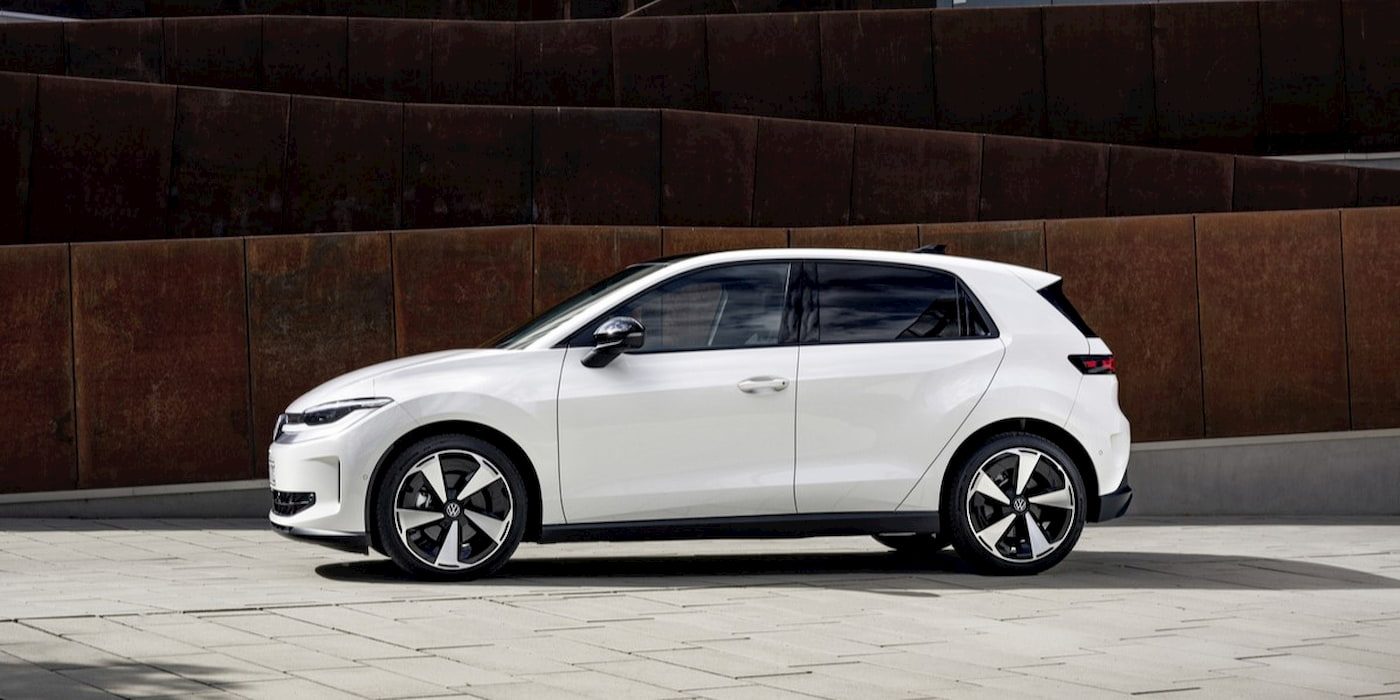
Volkswagen is undertaking a significant operational realignment, scaling back production of its internal combustion engine (ICE) vehicles to bolster output of its increasingly popular new family of entry-level electric cars. This strategic pivot is a direct response to a substantial and growing shift in consumer preference towards electric mobility, fundamentally impacting the company's manufacturing priorities and workforce allocation. The decision to cut shifts for ICE models underscores the burgeoning market traction of Volkswagen's electric offerings, which are now demonstrably outperforming their gasoline-powered counterparts in terms of consumer demand.
While specific production figures for the new EV models were not detailed in the announcement, the company's statement clearly indicates that demand for these electric vehicles has surpassed initial projections and is now outstripping the capacity for ICE vehicle production. This surge in EV popularity necessitates a critical reallocation of resources, including manufacturing lines and skilled labor, away from traditional engine vehicles. The reduction in ICE shifts is a direct and logical consequence of this demand imbalance, with the explicit aim of optimizing production efficiency and capitalizing on the rapidly expanding electric vehicle market. Volkswagen's deep-seated commitment to electrification, a cornerstone of its 'NEW AUTO' strategy, is further evidenced by this operational adjustment, which unequivocally prioritizes the manufacturing of its next-generation electric fleet.
This decisive move by Volkswagen is highly indicative of a broader, transformative trend sweeping across the global automotive industry. Manufacturers worldwide are increasingly prioritizing electric vehicle development and production in response to a confluence of factors, including stringent global environmental regulations, evolving consumer tastes that favor sustainability, and rapid advancements in battery technology. The company's proactive and agile approach in adjusting its production strategy suggests a confident and optimistic outlook on the long-term viability and substantial growth potential of its electric vehicle portfolio. The impact on workers currently involved in ICE production is a key consideration as the company navigates this significant transition, potentially involving comprehensive retraining programs or redeployment to burgeoning EV manufacturing facilities. The success of Volkswagen's entry-level EVs, such as the ID.3 and ID.4, is a critical indicator of the company's ability to compete effectively in the highly competitive mass-market EV segment, a crucial battleground for automotive manufacturers striving to secure their future in the electric era.
Original source — read the full reporting at the publisher:
Read on ElectrekGet the weekly AI digest
AI news + new model releases, weekly. Drafted by our agents, reviewed by humans.