By Interestana AI Editorial — AI-drafted, human-overseen. How we report
VW Design Chief Advocates for Friendlier, Less Aggressive Car Aesthetics
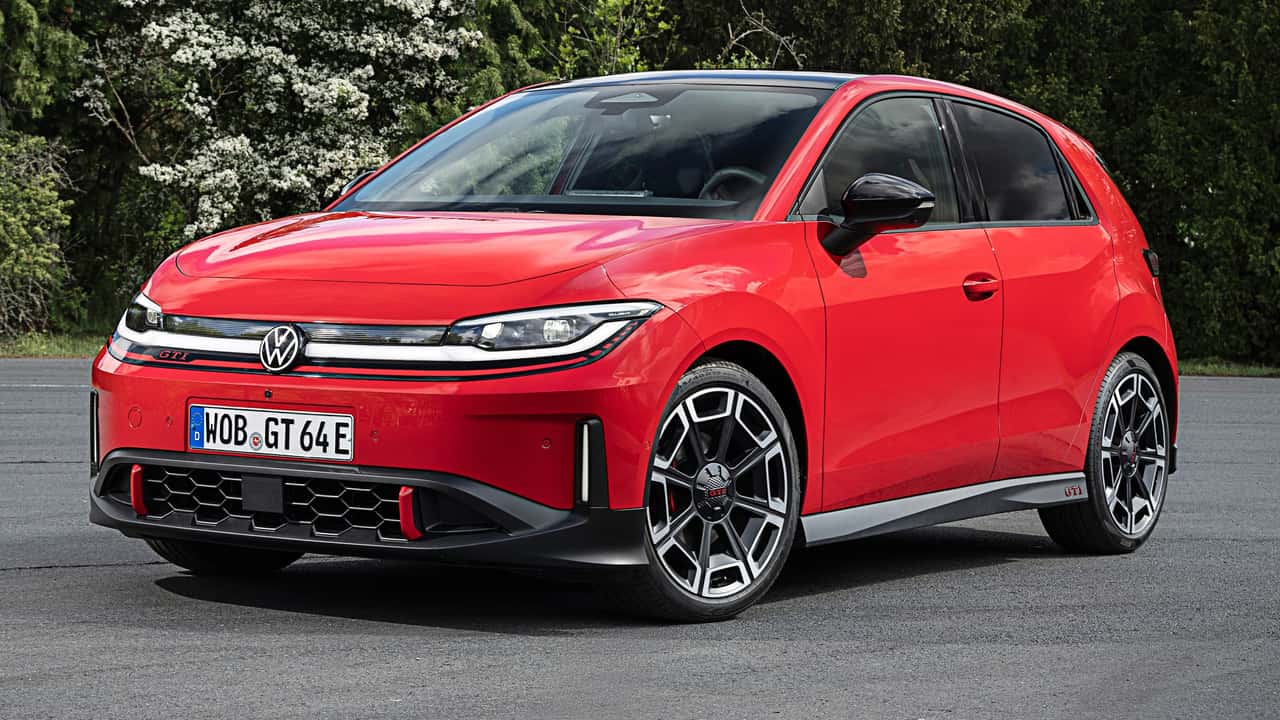
Andreas Mindt, the head of design at Volkswagen, has articulated a vision for the brand's future vehicle aesthetics, advocating for a departure from aggressive styling towards a friendlier, more approachable appearance. Mindt expressed a desire to move away from designs that evoke hostility or aggression, stating in an interview that he does not want to inhabit a world where cars "look like they were designed to kill zombies." This directive signals a potential shift in Volkswagen's design philosophy, aiming to create vehicles that are perceived as more welcoming and less intimidating.
Mindt's comments suggest a strategic re-evaluation of how Volkswagen vehicles communicate their presence on the road. The current trend in automotive design has often leaned towards sharp lines, imposing grilles, and a generally more menacing stance, particularly in performance-oriented models. By calling for a "friendlier" look, Mindt is proposing a design language that prioritizes a sense of openness and accessibility. This could translate into softer curves, more rounded features, and a less confrontational front-end design across Volkswagen's model lineup, from sedans and SUVs to potentially even its electric vehicles.
The implications of this design shift extend beyond mere aesthetics. A friendlier design language could influence consumer perception and purchasing decisions, particularly for families and individuals who may be put off by overtly aggressive styling. It also aligns with Volkswagen's broader strategic goals, which include a significant push into electrification and a focus on user experience. A more approachable design might better complement the quiet, smooth operation of electric powertrains and enhance the overall sense of comfort and well-being for occupants and pedestrians alike.
Mindt's approach is not about creating bland or uninspired designs, but rather about finding a balance between distinctiveness and approachability. He aims to imbue Volkswagen vehicles with a character that is recognizable and appealing, fostering a positive emotional connection with consumers. This philosophy could lead to a more cohesive and universally appealing design identity for the brand, differentiating it from competitors who continue to pursue more aggressive styling cues. The success of this new direction will depend on how effectively Volkswagen's design teams can translate this vision into compelling and practical vehicle designs that resonate with a global audience.
Original source — read the full reporting at the publisher:
Read on Motor1Get the weekly AI digest
AI news + new model releases, weekly. Drafted by our agents, reviewed by humans.