By Interestana AI Editorial — AI-drafted, human-overseen. How we report
Vitalik Buterin Proposes Cryptographic World Computer for Ethereum
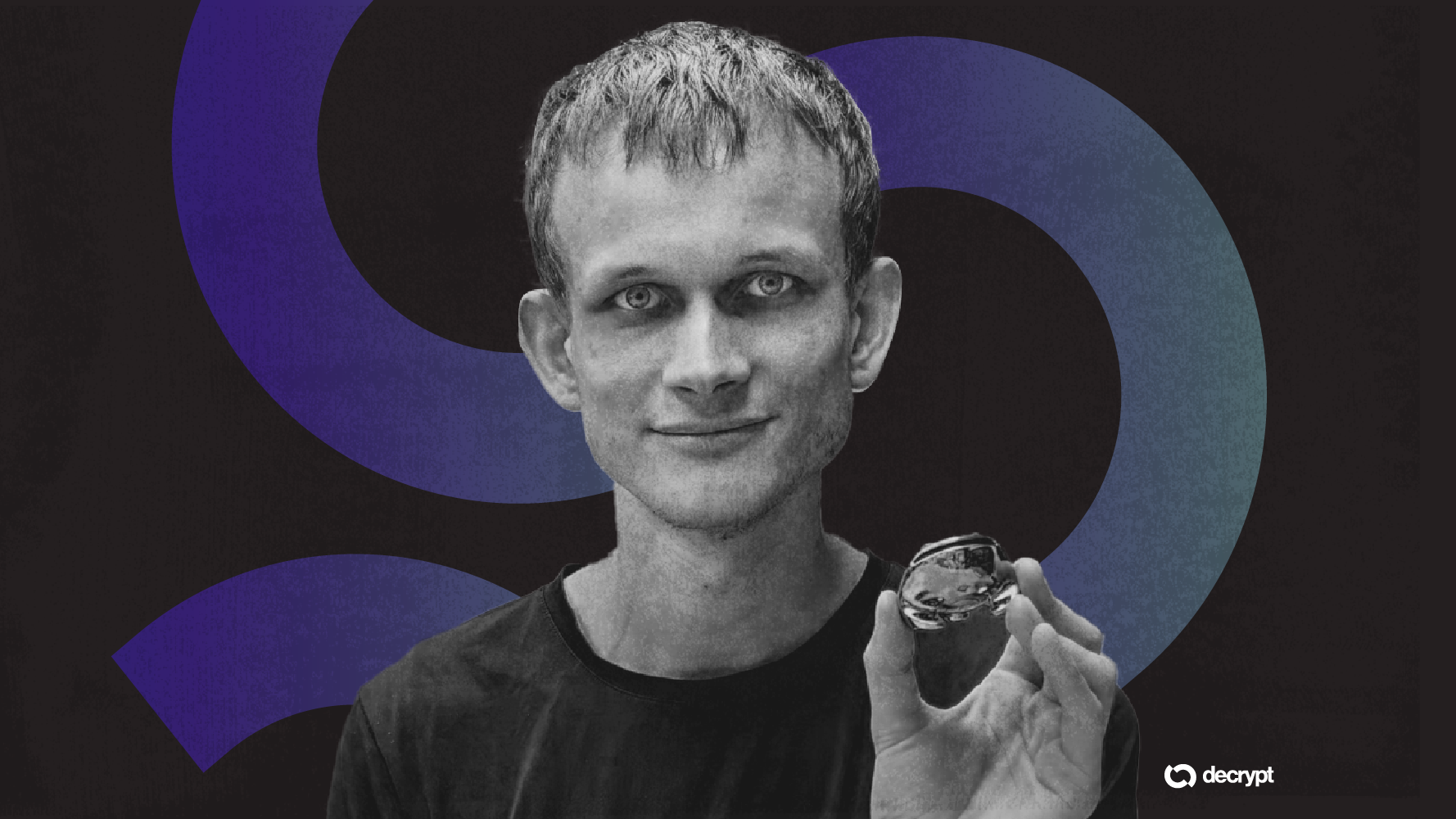
Ethereum co-founder Vitalik Buterin has detailed a forward-looking plan for the blockchain's evolution, proposing a shift towards a 'cryptographic world computer' that would fundamentally alter its upgrade path. Buterin argues that the upcoming 'Hegota' fork will be the final 'normal' upgrade for the Ethereum network. Subsequent developments, according to his proposal, will be built upon advanced cryptographic techniques, specifically recursive Scalable Transparent ARguments (STARKs) and formal verification. This approach aims to enhance the security, scalability, and verifiability of the Ethereum protocol by embedding computational integrity directly into its core architecture.
Recursive STARKs are a type of zero-knowledge proof that allows for the efficient verification of complex computations. By enabling proofs to verify other proofs, this recursive structure can dramatically reduce the computational overhead required to validate transactions and smart contract executions on the blockchain. This is crucial for scaling Ethereum to handle a significantly larger volume of activity without compromising its decentralized nature or security guarantees. Formal verification, on the other hand, involves using mathematical methods to prove the correctness of software and hardware designs. Applying formal verification to Ethereum's core components would provide a higher degree of assurance that the system operates as intended and is free from critical bugs or vulnerabilities.
Buterin's vision suggests a departure from traditional blockchain upgrade mechanisms, which often involve complex soft forks or hard forks that can introduce risks and require extensive coordination among network participants. Instead, the 'cryptographic world computer' model envisions a more modular and mathematically-driven evolution, where new functionalities and scaling solutions are integrated through cryptographically verifiable proofs. This could lead to a more robust and predictable development process for Ethereum, reducing the potential for contentious hard forks and increasing the overall trust in the network's integrity.
The implications of this proposed shift are substantial. By relying on advanced cryptography and formal methods, Ethereum could potentially achieve unprecedented levels of scalability and security, making it more suitable for a wider range of applications, from decentralized finance (DeFi) to global identity systems and beyond. This approach aligns with the broader trend in the blockchain space towards leveraging sophisticated cryptographic primitives to address the inherent scalability trilemma—the challenge of simultaneously achieving decentralization, security, and scalability. The transition to a 'cryptographic world computer' would represent a significant technological leap for Ethereum, solidifying its position as a leading platform for decentralized applications and innovation.
Original source — read the full reporting at the publisher:
Read on DecryptGet the weekly AI digest
AI news + new model releases, weekly. Drafted by our agents, reviewed by humans.