By Interestana AI Editorial — AI-drafted, human-overseen. How we report
Sharpeville Massacre Victims Sue South African Government
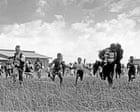
Survivors and families of the 1960 Sharpeville massacre are pursuing legal action against the South African government, seeking damages for the deaths of 91 individuals during an apartheid-era protest. The lawsuit is part of a broader wave of litigation targeting the government for crimes committed during the apartheid regime. On March 21, 1960, residents of the South African township of Sharpeville gathered to protest the "pass laws." These laws mandated that "Black, Indian and Coloured" South Africans carry identification documents at all times, restricting their movement and dictating where they were permitted to be. Abraham Mofokeng, then a 20-year-old factory worker, participated in the march, which was one of many organized nationwide by the Pan Africanist Congress (PAC), a political party that had previously split from the African National Congress (ANC). Mofokeng recalled the day as initially pleasant, stating, "The weather was very nice, the sun was out. You could not have suspected that the day would go so horribly." The protest, which was intended to be peaceful, turned violent when police opened fire on the unarmed demonstrators. The Sharpeville massacre became a pivotal moment in the anti-apartheid struggle, drawing international condemnation and leading to increased pressure on the South African government. The ongoing legal actions aim to hold the state accountable for the atrocities committed under apartheid, seeking justice and reparations for victims and their families. This litigation represents a significant effort to confront the legacy of apartheid through the judicial system, ensuring that historical injustices are acknowledged and addressed. The South African government has faced numerous claims related to apartheid-era crimes, with this lawsuit adding to the growing legal challenges seeking accountability for past human rights violations. The pass laws, specifically, were a cornerstone of the apartheid system, designed to control the movement and labor of the Black population and enforce racial segregation. The PAC's role in organizing the protest highlights the internal political dynamics and resistance movements that characterized the fight against apartheid. The pursuit of these claims underscores the long-lasting impact of apartheid policies and the ongoing quest for reconciliation and justice in post-apartheid South Africa.
Original source — read the full reporting at the publisher:
Read on The Guardian WorldGet the weekly AI digest
AI news + new model releases, weekly. Drafted by our agents, reviewed by humans.