By Interestana AI Editorial — AI-drafted, human-overseen. How we report
USDA Shelves Cyclospora Research Amid Relocations and Fund Cuts
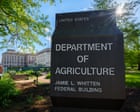
The Trump administration has reportedly shuttered two of three United States Department of Agriculture (USDA) research projects focused on Cyclospora, a foodborne parasite that has sickened tens of thousands of Americans during summer months. This decision comes as the USDA undergoes a broader reorganization, according to a report by Politico on Sunday, August 30, 2026. The two projects were defunded by Congress earlier in the year, leading to their discontinuation. The third project, also studying Cyclospora, is slated for relocation from its current base in Maryland to Iowa in the coming months as part of the departmental restructuring.
Cyclospora is a microscopic parasite that causes an intestinal illness known as cyclosporiasis. Infection typically occurs after consuming food or water contaminated with the parasite's oocysts, which are shed in the feces of infected individuals. Symptoms commonly include diarrhea, loss of appetite, weight loss, cramping, bloating, gas, nausea, and fatigue. While often self-limiting, cyclosporiasis can cause prolonged illness, particularly in vulnerable populations. The parasite's prevalence in fresh produce has been a recurring concern, with outbreaks frequently linked to imported fruits and vegetables such as basil, cilantro, raspberries, and pre-packaged salads.
The USDA's Agricultural Research Service (ARS) is the principal scientific research agency of the U.S. Department of Agriculture. ARS is dedicated to delivering solutions for American agriculture and working to strike a balance between productivity and conservation in our nation's agricultural resources. The agency conducts research across a wide spectrum of disciplines, including plant and animal health, nutrition, food safety, and environmental stewardship. The Cyclospora research projects were part of ARS's efforts to understand the parasite's life cycle, identify sources of contamination, and develop effective control and prevention strategies to safeguard public health and the food supply.
The reported shelving of these research initiatives raises concerns among public health advocates and food safety experts. Cyclospora outbreaks have become a significant public health challenge in recent years, with the Centers for Disease Control and Prevention (CDC) tracking numerous incidents linked to various food commodities. The reduction in research capacity at a critical time could impede the development of new methods for detecting and mitigating Cyclospora contamination, potentially leaving consumers more vulnerable to infection. The relocation of the remaining project to Iowa, while intended to consolidate resources, may also present logistical challenges and affect the project's continuity and effectiveness. The decision to defund and shutter these projects, particularly in light of ongoing public health concerns, warrants further scrutiny regarding the administration's priorities in food safety research and development.
Original source — read the full reporting at the publisher:
Read on The Guardian WorldGet the weekly AI digest
AI news + new model releases, weekly. Drafted by our agents, reviewed by humans.