By Interestana AI Editorial — AI-drafted, human-overseen. How we report
US Expands Iran Sanctions to Crypto, Gold, Shipping, Tech
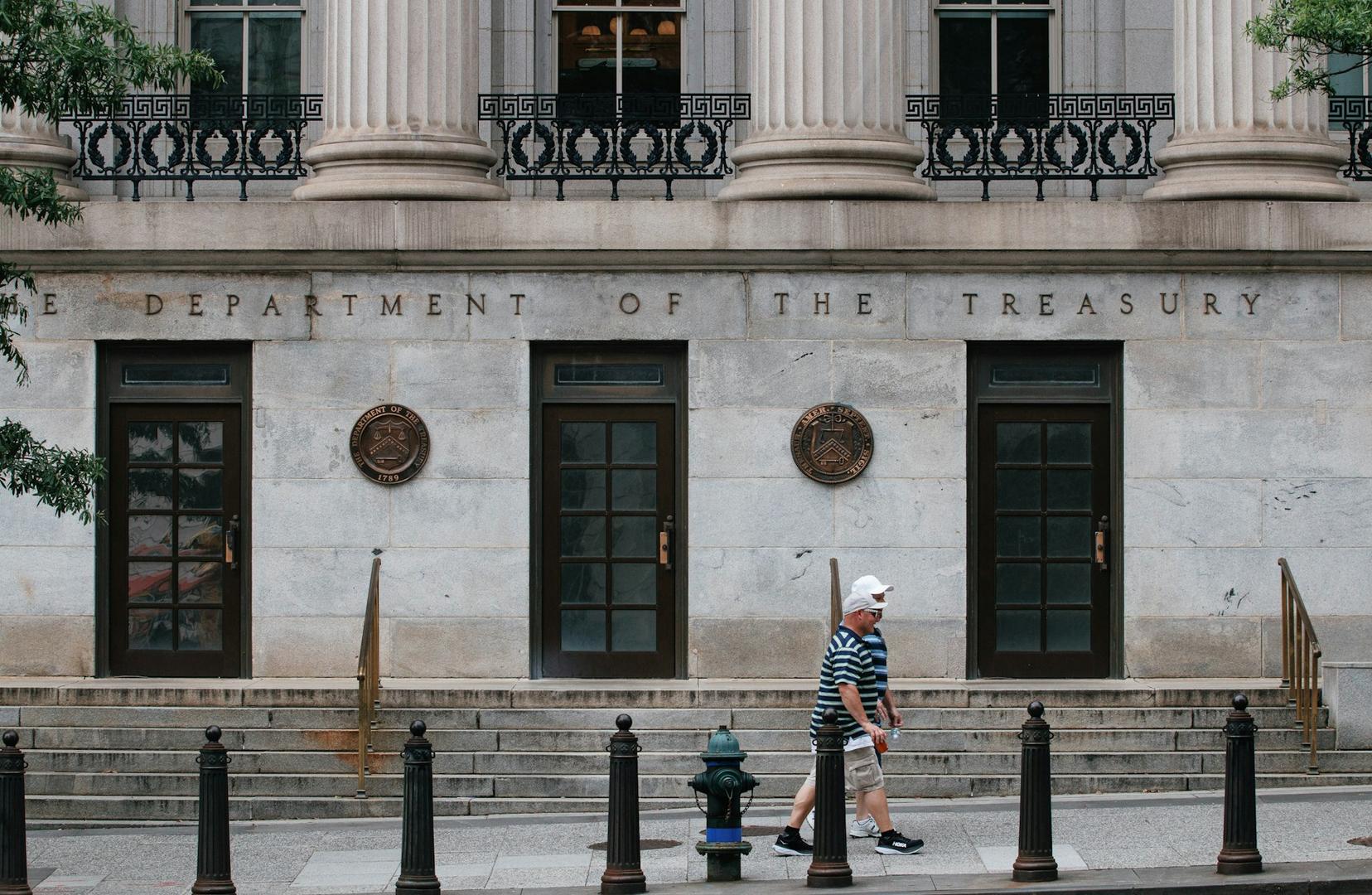
The United States Treasury Department has significantly expanded its sanctions regime against Iran, extending the crackdown to encompass the cryptocurrency, gold, shipping, and technology sectors. This move aims to disrupt Iran's illicit financial networks and limit its access to global markets. A key focus of the expanded sanctions is the alleged involvement of individuals and entities in facilitating financial transactions for Iran's Islamic Revolutionary Guard Corps (IRGC) and its Quds Force (IRGC-QF).
Specifically, the Treasury identified Ivan Obukhov, a Russian national, as having processed over $100 million in cryptocurrency transactions for IRGC-QF oil sales since 2023. This highlights the growing concern over the use of digital assets to circumvent international financial restrictions. The sanctions target individuals and entities accused of supporting Iran's proliferation of weapons of mass destruction and its ballistic missile program. By including the technology sector, the U.S. aims to prevent Iran from acquiring advanced technologies that could be used for military purposes or to further its destabilizing activities in the region.
The broadening of sanctions to include gold and shipping further tightens the economic pressure on Iran. Gold has historically served as a valuable asset for countries seeking to hedge against economic sanctions, and its inclusion in the sanctions list aims to block this avenue of financial support. Similarly, targeting the shipping industry seeks to impede Iran's ability to export its oil and other commodities, a primary source of revenue. The Treasury Department stated that these measures are part of a comprehensive strategy to counter Iran's "malign activities" and to promote regional stability. The U.S. government has indicated its commitment to working with international partners to enforce these sanctions effectively and to prevent Iran from exploiting loopholes in the global financial system.
This latest round of sanctions follows previous efforts by the U.S. to isolate Iran economically, particularly in response to its nuclear program and its support for regional proxy groups. The inclusion of cryptocurrency, however, marks a significant escalation in the U.S. approach, reflecting the increasing sophistication of illicit financial operations and the need for regulatory bodies to adapt. The Treasury's Office of Foreign Assets Control (OFAC) is responsible for administering and enforcing these sanctions, and it has signaled its intent to aggressively pursue individuals and entities found to be in violation of these new measures. The ultimate goal is to compel Iran to change its behavior and to cease its destabilizing actions.
Original source — read the full reporting at the publisher:
Read on CoinDeskGet the weekly AI digest
AI news + new model releases, weekly. Drafted by our agents, reviewed by humans.