By Interestana AI Editorial — AI-drafted, human-overseen. How we report
US Troop Deaths Moved From Iran War Toll to Overseas Operations
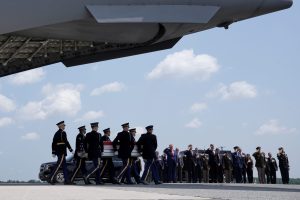
Four American troops recently killed during renewed fighting between the U.S. and Iran have been moved from the Pentagon's official Iran war death toll to a newly created "Overseas Operations" category. This reclassification, which also includes dozens of wounded troops, raises questions about the accurate accounting of U.S. service members' casualties amidst escalating strikes on Iran aimed at reopening the Strait of Hormuz. The Defense Casualty Analysis System (DCAS), previously cited by Pentagon officials as the definitive source for conflict-related casualties, removed the four deceased soldiers and 207 wounded personnel from the Iran war tally last week. A new category, "Overseas Operations," subsequently appeared on the DCAS website, listing the four Army deaths by name. It remains unclear if all 207 wounded individuals sustained their injuries in the Iran conflict. U.S. Central Command, responsible for operations in the Middle East, directed inquiries to the Pentagon, which, along with the White House, has not yet provided immediate comment. Pentagon press secretary Joel Valdez stated on Thursday that the reduction in casualty figures within the online system was not an attempt to obscure the war's human cost but rather a result of "anomalies" and "temporary data disruptions" that were expected to be resolved promptly. As of Tuesday, the DCAS website had reported the war's official toll as 18 killed and 482 wounded, indicating that four soldiers had died since fighting resumed following the signing of an interim ceasefire deal last month. These included three soldiers killed at a base in Jordan on July 17, which was struck by Iranian ballistic missiles and drones, and one soldier who died in Iraq the following day during the controlled detonation of an Iranian drone. The shift in reporting methodology by the Pentagon has drawn scrutiny, particularly as the administration has increased military actions against Iran without clearly outlining an exit strategy for a conflict that faces considerable public opposition. The reclassification could impact public perception and understanding of the ongoing military engagement and its human cost. The DCAS system is designed to provide transparent and accurate casualty data, and any perceived alteration or obfuscation of this data can lead to public distrust and increased demand for clarification from military and government officials. The specific criteria for inclusion in the "Overseas Operations" category and whether it encompasses casualties from other global deployments remain undefined, adding to the ambiguity surrounding the Pentagon's casualty reporting practices. The incident highlights the challenges in maintaining precise and publicly accessible casualty records during periods of heightened military activity and geopolitical tension. The Pentagon's assertion of "temporary data disruptions" suggests a technical or procedural issue, but the timing and nature of the reclassification have fueled concerns about the integrity of the casualty count. Further details are anticipated as the Pentagon addresses these "disruptions" and clarifies the reporting standards for U.S. military casualties in ongoing operations.
Original source — read the full reporting at the publisher:
Read on FortuneGet the weekly AI digest
AI news + new model releases, weekly. Drafted by our agents, reviewed by humans.