By Interestana AI Editorial — AI-drafted, human-overseen. How we report
U.S. Treasury Chief Bessent Seeks G20 Support for Iran Sanctions Amidst Trade Tensions
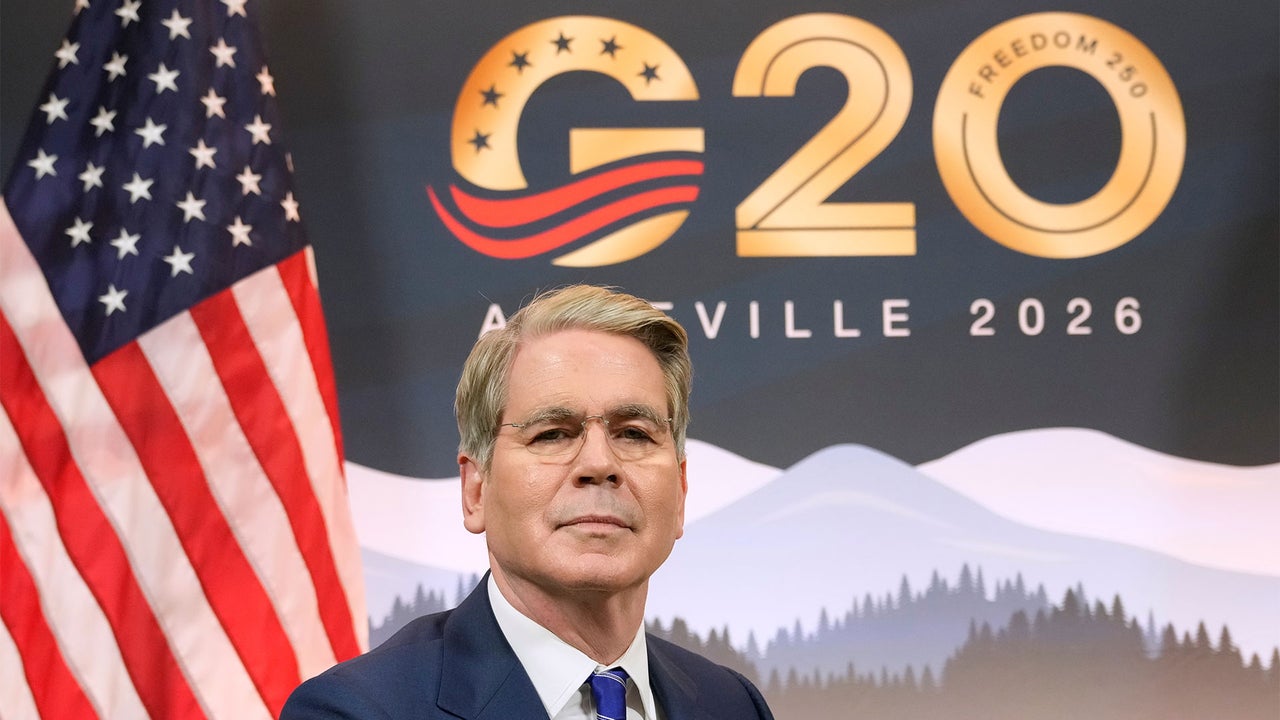
U.S. Treasury Secretary Scott Bessent is convening finance ministers from the world's largest economies this week in Asheville, North Carolina, aiming to rally G20 allies around intensified economic pressure on Iran. The meetings are taking place against a backdrop of significant global economic headwinds, including elevated gas prices, which are partly attributed to the ongoing conflict with Iran, and escalating trade friction between the United States and its key allies, notably Canada. The breakdown in recent trade negotiations with Canada has led to a surge in tariffs, straining bilateral relations and potentially complicating Bessent's diplomatic efforts.
Bessent articulated his strategy to intensify sanctions against Iran through an initiative he termed "Operation Economic Outcast." This operation involves targeting additional financial institutions within Iran. He conveyed the administration's firm stance, stating their readiness to employ "financial violence if we have to" to compel the Iranian regime to alter its behavior. Bessent suggested that the Iranian economy could face substantial disruption within a timeframe of weeks or months, though he clarified that a complete economic collapse is not the sole objective; influencing the regime's decision-making is paramount. The European Union has publicly signaled its support for these sanctions efforts, issuing a statement that welcomes the added economic pressure and pledges to collaborate with the U.S. and other international partners to maintain the financial squeeze on Iran.
French Finance Minister Roland Lescure, also attending the G20 finance ministers' gathering, described the global economic outlook as highly unpredictable and uncertain, drawing a parallel to the "foggy" weather conditions in Asheville. He expressed a hope for a unified G20 statement outlining a clear path toward global economic growth. However, the current geopolitical climate, coupled with the U.S.'s imposition of tariffs on its allies, presents a significant challenge to Bessent's objective of securing broad international consensus and cooperation. Daniel Fried, a former Assistant Secretary of State for European Affairs during George W. Bush's Republican administration, commented that the U.S. might encounter difficulties in mobilizing its traditional allies given these prevailing circumstances and strained relationships.
The G20 finance ministers' gathering is officially intended to address strategies for fostering global economic growth and managing mounting sovereign debt. Nevertheless, Secretary Bessent's immediate and prominent focus appears to be the coordinated application of financial sanctions against Iran. The U.S. Treasury's overarching strategy involves isolating Iran financially, with the explicit aim of influencing the regime's actions and policies. The ultimate effectiveness of these sanctions and the extent of genuine international cooperation will be critical points of observation and discussion throughout the Asheville meetings.
Original source — read the full reporting at the publisher:
Read on Fast CompanyGet the weekly AI digest
AI news + new model releases, weekly. Drafted by our agents, reviewed by humans.