By Interestana AI Editorial — AI-drafted, human-overseen. How we report
US Targets Iran's Crypto Sector with Sanctions Over $100M in Oil Payments
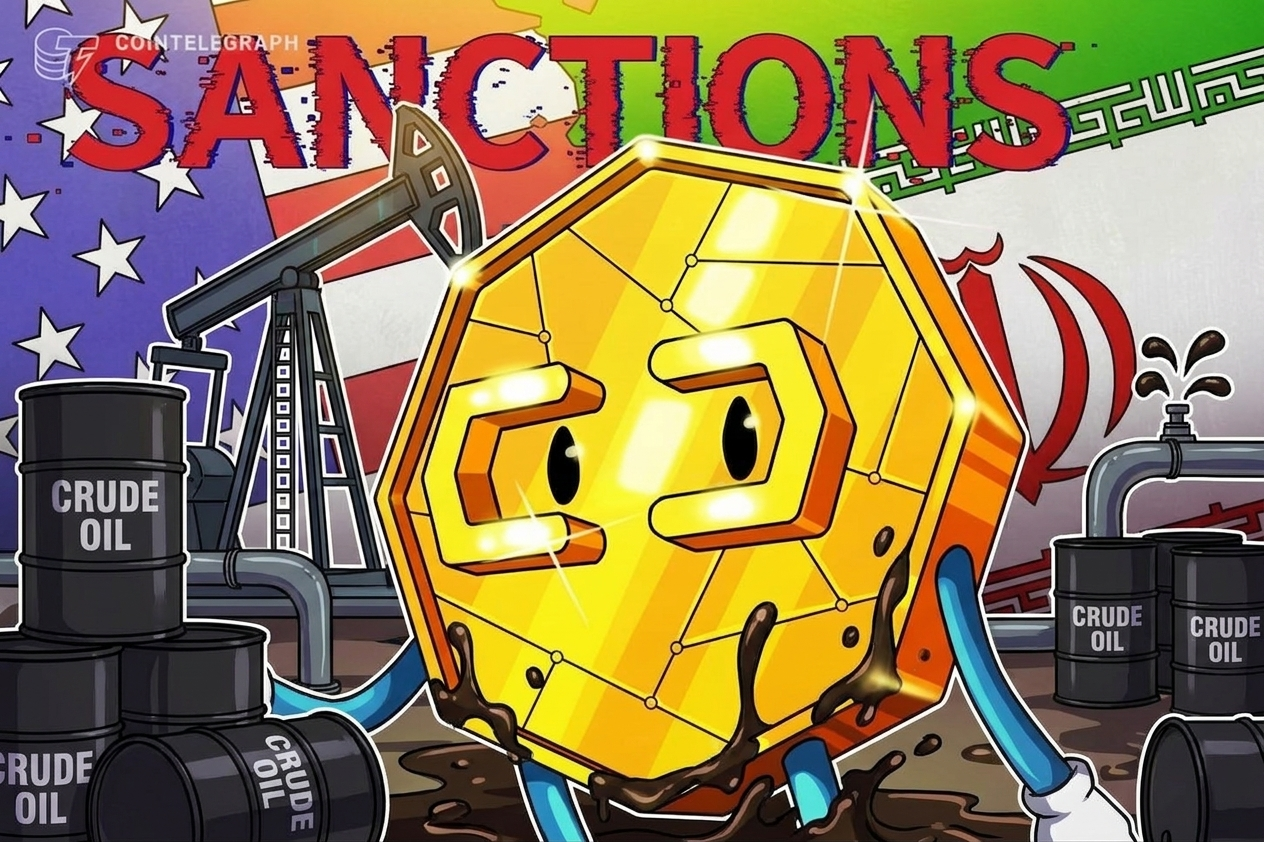
The United States Treasury Department has significantly escalated its efforts to curb illicit financial flows by imposing new sanctions on Iran's burgeoning digital asset sector. Announced on June 13, 2024, by the Treasury's Office of Foreign Assets Control (OFAC), these sanctions target a United Arab Emirates-based digital asset broker, identified as a key facilitator in processing over $100 million in cryptocurrency transactions linked to Iranian oil and petrochemical sales. This move is a direct attempt to disrupt financial networks that allegedly support Iran's ballistic missile program and other destabilizing activities, including the financing of the Islamic Revolutionary Guard Corps (IRGC) and its Quds Force, which the US designates as a foreign terrorist organization.
According to OFAC's findings, the sanctioned UAE-based firm operated as a critical intermediary, enabling Iranian entities to circumvent existing international sanctions. By converting oil revenues into cryptocurrency, these entities were allegedly able to move funds that would otherwise be inaccessible due to stringent financial restrictions. This exploitation of the digital asset ecosystem highlights the evolving tactics employed by Iran to sustain its operations and evade global financial scrutiny. The Treasury's action underscores a broader strategic objective to counter Iran's illicit finance networks and prevent the regime from acquiring resources that could be channeled into terrorism and regional destabilization.
The expansion of sanctions into the digital asset space reflects a growing global concern among regulators regarding the use of cryptocurrencies for illicit finance and sanctions evasion. By increasing the risks and costs associated with such transactions, the US aims to deter future illicit activities. This latest development follows a series of previous US enforcement actions aimed at curbing Iran's oil exports and related financial activities. The Treasury has a history of sanctioning numerous individuals and entities involved in Iran's oil trade and its support for proxy groups, demonstrating a consistent commitment to disrupting Iran's access to funding for its harmful activities. The current action signifies an adaptation of US enforcement measures to address the challenges posed by the digital realm, acknowledging the increasing role of cryptocurrencies in circumventing traditional financial controls.
Original source — read the full reporting at the publisher:
Read on CoinTelegraphGet the weekly AI digest
AI news + new model releases, weekly. Drafted by our agents, reviewed by humans.