By Interestana AI Editorial — AI-drafted, human-overseen. How we report
US Supreme Court Lifts Restrictions on Controversial Voter Database Amidst Election Integrity Debate
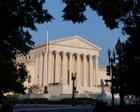
The US Supreme Court has lifted restrictions on a controversial federal database of voters, a decision that escalates the ongoing debate surrounding election integrity and voting access. This ruling comes as former President Donald Trump and his administration have advocated for stricter voting regulations, particularly in the lead-up to the November midterm elections. The core of the controversy lies in the stated purpose and potential ramifications of this federal voter database.
Proponents, including Donald Trump and his former officials, have asserted that the expanded database is a crucial tool designed to identify and prevent noncitizens from casting ballots. They argue that such measures are essential for safeguarding the integrity of the American electoral process and combating instances of illegal voting. The Trump administration, during its tenure, had shown a strong interest in scrutinizing voter rolls, with initiatives aimed at identifying potential non-citizen voters. This latest Supreme Court decision appears to align with those prior efforts.
Conversely, critics, comprising a coalition of civil liberties organizations, voting rights advocacy groups, and election law experts, have voiced profound concerns. They contend that the database's implementation and the broadened accessibility granted by the Supreme Court's decision could inadvertently lead to the disenfranchisement of legitimate, eligible voters. These concerns are often rooted in the acknowledged imperfections and potential inaccuracies within existing voter registration data across the United States. Critics highlight the risk that eligible citizens could be erroneously flagged or even removed from voter rolls due to data discrepancies. Such errors, they warn, could disproportionately affect minority communities and other vulnerable populations, who may encounter greater obstacles in correcting registration errors or navigating bureaucratic processes.
The Supreme Court's decision to lift prior restrictions effectively allows for more extensive use and analysis of this federal database. This intensifies the scrutiny on how the database is constructed, the specific criteria employed for flagging individuals, and the robustness of the appeals process available to those who believe they have been wrongly identified. The legal underpinnings of the Supreme Court's ruling, and the precise scope of the restrictions that have been removed, are critical for understanding the full implications for upcoming elections and the broader landscape of voting rights in the United States. The ruling removes previous limitations that may have previously hindered the database's utility, potentially enabling more aggressive examination of voter rolls. This development underscores the persistent tension between the imperative to secure election integrity and the fundamental right to vote for all eligible citizens, a cornerstone of American democracy.
Original source — read the full reporting at the publisher:
Read on The Guardian WorldGet the weekly AI digest
AI news + new model releases, weekly. Drafted by our agents, reviewed by humans.