By Interestana AI Editorial — AI-drafted, human-overseen. How we report
US Stock Futures Flat as Investors Await Fed Rate Clues
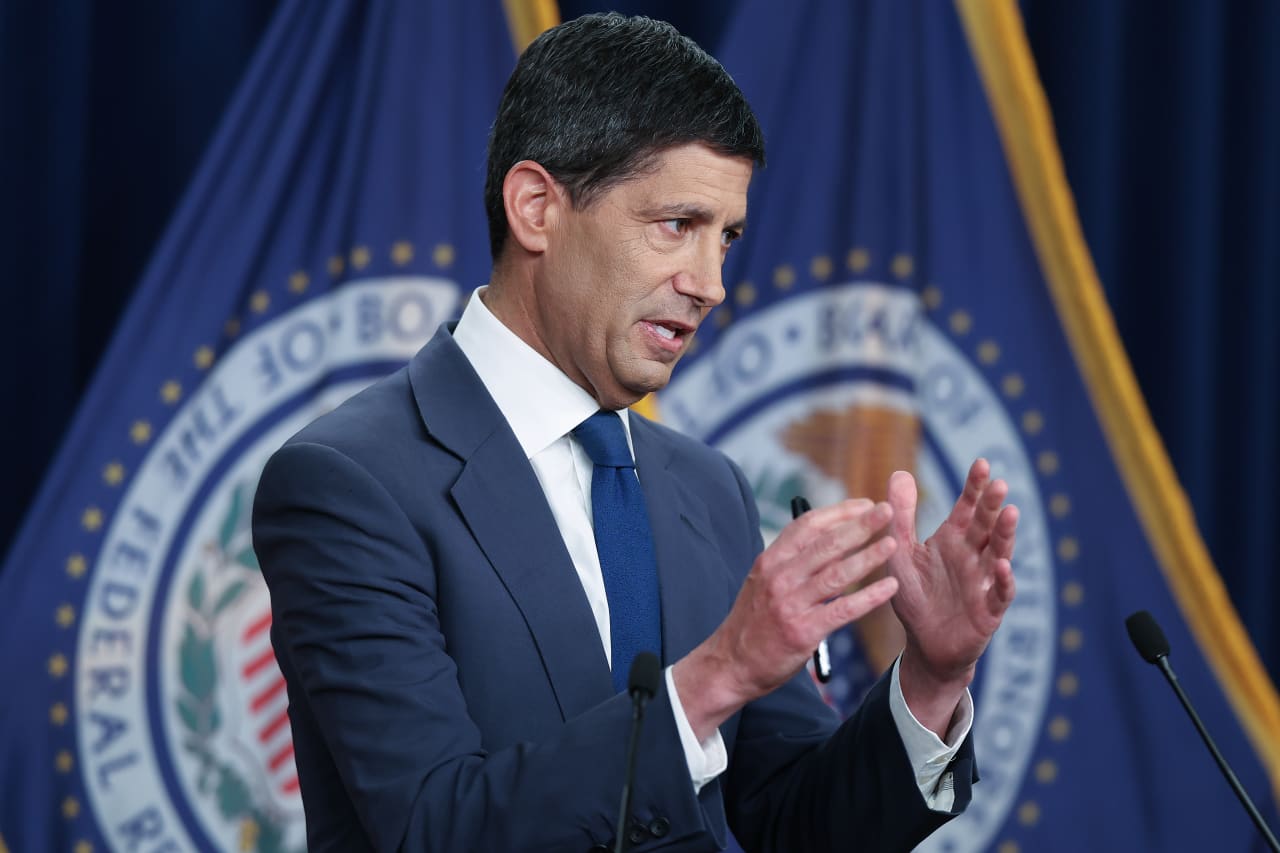
U.S. stock-index futures experienced minimal movement on Sunday, following a subdued trading week on Wall Street. Investors are currently in a holding pattern, keenly awaiting any indications from the Federal Reserve (the Fed) that might shed light on the future trajectory of interest rates. This anticipation stems from the significant influence that the Fed's monetary policy decisions, particularly concerning interest rates, have on equity markets. Higher interest rates generally make borrowing more expensive for companies, potentially impacting their profitability and growth prospects, which can lead to lower stock valuations. Conversely, lower interest rates can stimulate economic activity and make stocks a more attractive investment compared to fixed-income securities.
The market's current state of flux reflects a broader uncertainty about the economic outlook and the Fed's strategy to manage inflation while supporting economic growth. The Federal Open Market Committee (FOMC), the Fed's primary monetary policymaking body, has been closely watched for any commentary or data releases that could signal a shift in its stance. This includes signals about potential rate hikes, rate cuts, or maintaining the current interest rate levels. The Fed's dual mandate of achieving maximum employment and stable prices often leads to complex decision-making processes, especially in the face of evolving economic conditions. Market participants are dissecting economic reports, such as inflation data (Consumer Price Index - CPI, Producer Price Index - PPI), employment figures (Non-Farm Payrolls), and manufacturing indices (Purchasing Managers' Index - PMI), for clues about the Fed's next steps.
Wall Street's performance over the past week was characterized by a lack of strong directional conviction, with major indices trading within narrow ranges. This suggests that market participants are hesitant to make significant bets ahead of more definitive signals from the central bank. The absence of major economic catalysts or corporate earnings reports that could sway market sentiment has further contributed to the quiet trading environment. The focus remains squarely on the Fed's upcoming statements, meeting minutes, or speeches by Fed officials, which are scrutinized for any nuances that could alter expectations about monetary policy. The VIX, often referred to as the "fear index," has also remained relatively stable, indicating a lack of heightened investor anxiety but also a lack of strong bullish conviction.
The broader economic landscape presents a mixed picture, with some sectors showing resilience while others face headwinds. Inflation, while showing signs of moderating from its peak, remains a key concern for policymakers. The Fed's approach to inflation control involves adjusting interest rates to cool down demand. However, the pace and extent of these adjustments are critical. Too aggressive a tightening could risk pushing the economy into a recession, while being too lenient could allow inflation to become entrenched. This delicate balancing act is what keeps investors on edge and makes the Fed's pronouncements so impactful. The current market sentiment is one of cautious observation, with investors prioritizing capital preservation and seeking clarity before committing to new investment strategies. The upcoming week is expected to be pivotal as more economic data and Fed commentary are anticipated, potentially providing the market with the direction it has been seeking.
Original source — read the full reporting at the publisher:
Read on MarketWatchGet the weekly AI digest
AI news + new model releases, weekly. Drafted by our agents, reviewed by humans.