By Interestana AI Editorial — AI-drafted, human-overseen. How we report
US Stock Futures Flat Amidst Rising Rate Hike Odds
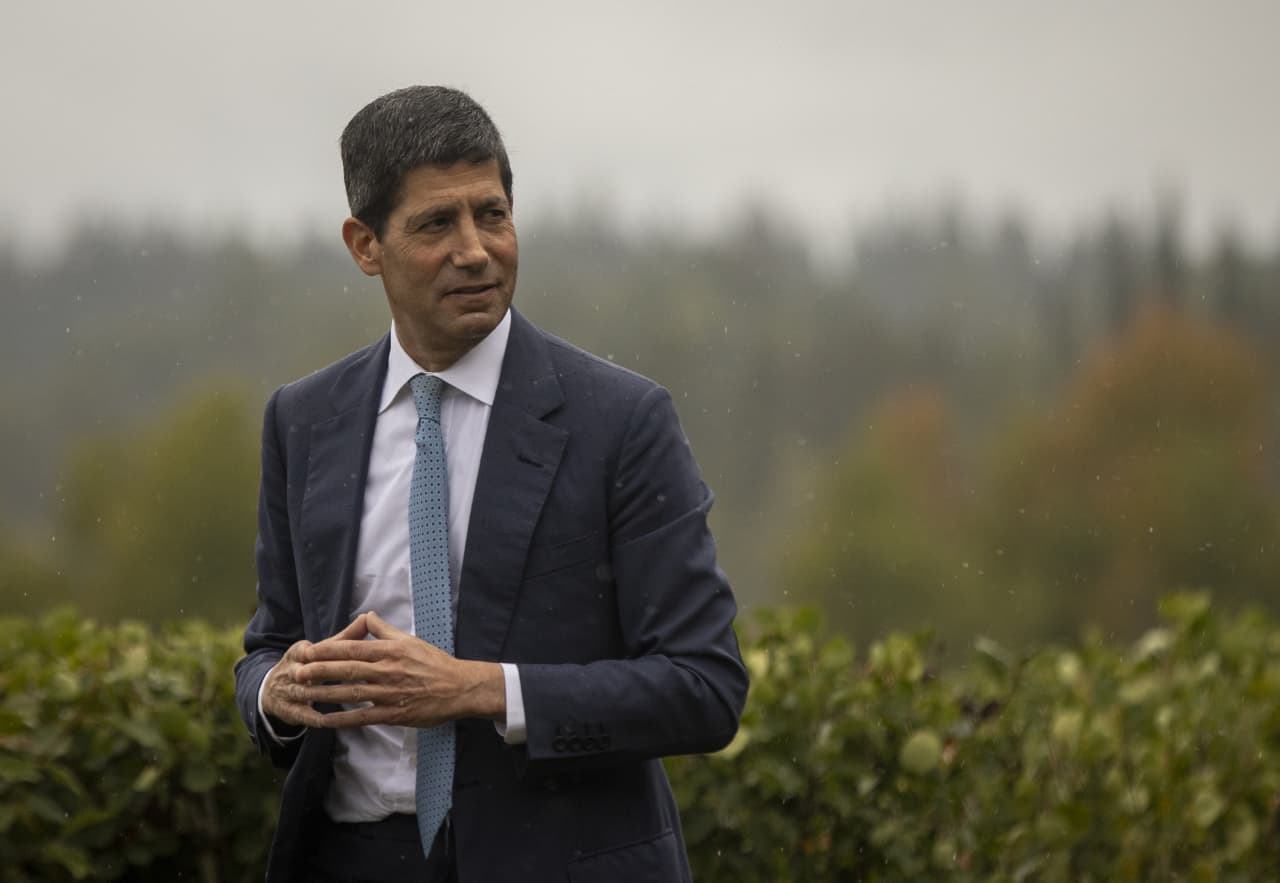
U.S. stock-index futures traded with minimal change on Sunday, as market participants assessed the growing possibility of an additional interest rate increase by the Federal Reserve. This sentiment was influenced by remarks made by Federal Reserve Governor Philip N. Warsh at the Jackson Hole Economic Policy Symposium. The symposium, held annually in Jackson Hole, Wyoming, is a key event where central bankers, economists, and policymakers gather to discuss significant economic issues. Warsh's commentary, interpreted by some as hawkish, suggested a potential for further monetary tightening to combat persistent inflation.
Investors are now keenly awaiting key economic indicators scheduled for release this week, which could provide further clarity on the trajectory of the U.S. economy and the Federal Reserve's monetary policy decisions. Among these are crucial labor market data, including the monthly unemployment figures and nonfarm payrolls report, which are closely watched for signs of economic strength or weakness. Additionally, a slate of earnings reports from major technology companies is expected, offering insights into the performance of the tech sector, a significant driver of the broader stock market. The anticipation of these events has contributed to a cautious trading environment, with many investors adopting a wait-and-see approach.
The prospect of a rate hike, even a small one, can have a substantial impact on financial markets. Higher interest rates increase borrowing costs for businesses and consumers, potentially slowing down economic growth and reducing corporate profitability. For stock markets, this can translate into lower valuations and increased volatility. The Federal Reserve's dual mandate includes maintaining price stability and maximizing employment, and its decisions on interest rates are a primary tool for achieving these goals. The current economic climate, characterized by fluctuating inflation rates and a resilient but evolving labor market, presents a complex challenge for policymakers.
Market analysts are closely scrutinizing the Federal Reserve's communication for any signals that might confirm or allay concerns about future rate adjustments. The minutes from the Federal Open Market Committee (FOMC) meetings, as well as public statements from Fed officials, are dissected for clues regarding the committee's outlook and potential policy actions. The Jackson Hole symposium, in particular, often serves as a platform for significant policy pronouncements. Warsh's participation and subsequent remarks have thus become a focal point for understanding the current thinking within the Federal Reserve regarding the appropriate stance of monetary policy in the face of ongoing economic developments.
Original source — read the full reporting at the publisher:
Read on MarketWatchGet the weekly AI digest
AI news + new model releases, weekly. Drafted by our agents, reviewed by humans.