By Interestana AI Editorial — AI-drafted, human-overseen. How we report
US Stock Futures Dip Ahead of Inflation Data, Iran Concerns
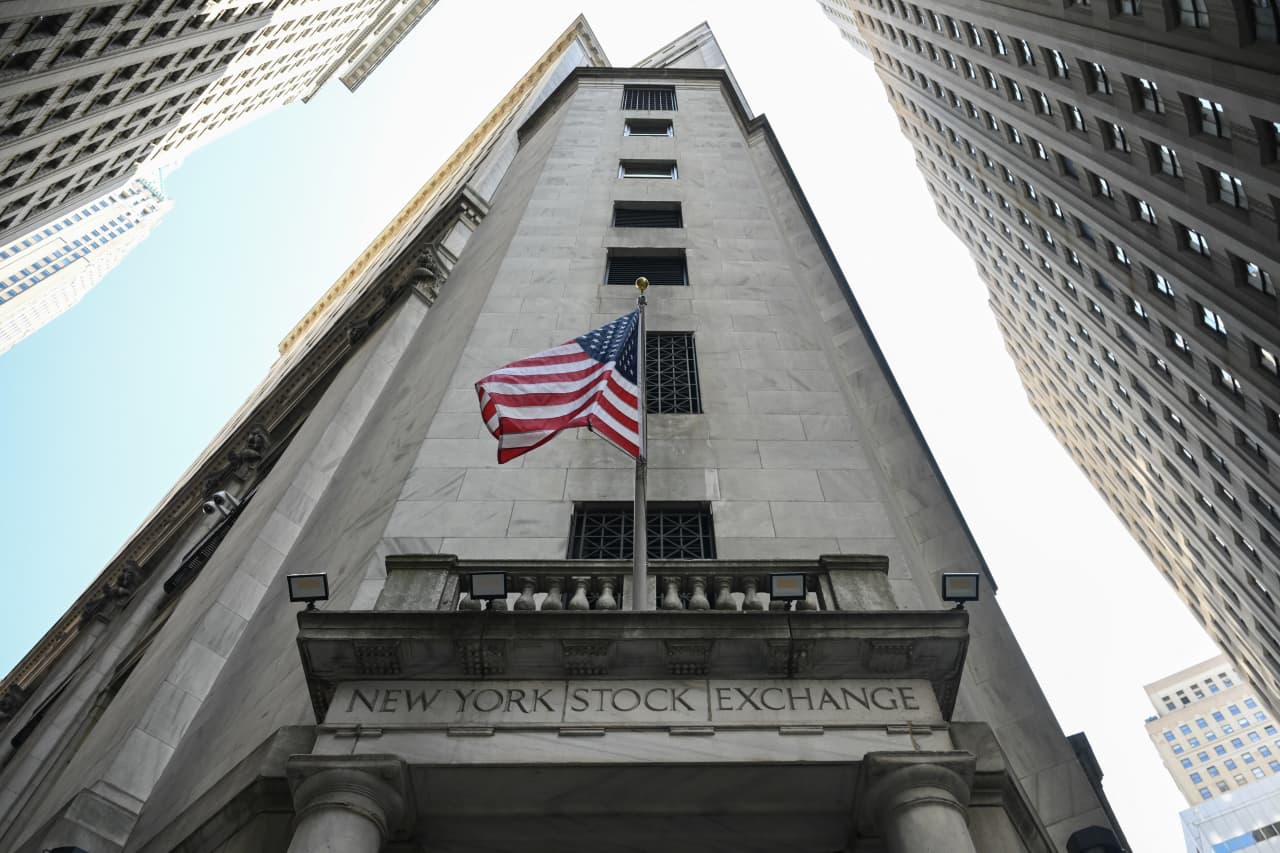
U.S. stock-index futures experienced minimal movement on Sunday, reflecting investor caution as the market anticipates the release of crucial inflation data later in the week. This period of uncertainty is further compounded by new demands originating from Iran, which have reignited concerns regarding the timely reopening of the Strait of Hormuz, a vital global shipping lane. The potential for prolonged disruption in this strategic waterway adds another layer of complexity to the economic outlook, influencing investor sentiment and trading strategies.
Investors are keenly awaiting key economic indicators, particularly inflation data, which is expected to provide insights into the current state of the U.S. economy and inform the Federal Reserve's monetary policy decisions. Higher-than-expected inflation could signal persistent price pressures, potentially leading to a more hawkish stance from the central bank, which might impact interest rate trajectories and market liquidity. Conversely, moderating inflation figures could offer some relief and support for riskier assets.
The geopolitical developments involving Iran are also a significant factor. New demands from the country have cast doubt on the swift resolution of tensions that could affect maritime trade through the Strait of Hormuz. This strait is a critical chokepoint for oil shipments, and any prolonged closure or significant disruption could lead to supply chain issues and upward pressure on energy prices. Such an event would have ripple effects across various sectors of the economy, from transportation and manufacturing to consumer spending.
Market participants are closely monitoring these dual forces of economic data and geopolitical instability. The interplay between inflation expectations and the potential for energy market volatility creates a complex trading environment. Analysts suggest that the coming days will be crucial for understanding the market's direction, as investors weigh the implications of both domestic economic trends and international relations. The absence of significant pre-market trading activity on Sunday indicates a holding pattern, with many likely waiting for concrete data and further developments before making substantial portfolio adjustments. The focus remains on how these factors will shape investor confidence and investment decisions in the short to medium term.
Original source — read the full reporting at the publisher:
Read on MarketWatchGet the weekly AI digest
AI news + new model releases, weekly. Drafted by our agents, reviewed by humans.