By Interestana AI Editorial — AI-drafted, human-overseen. How we report
US Solar Power Capacity Now Exceeds 50 Million Homes
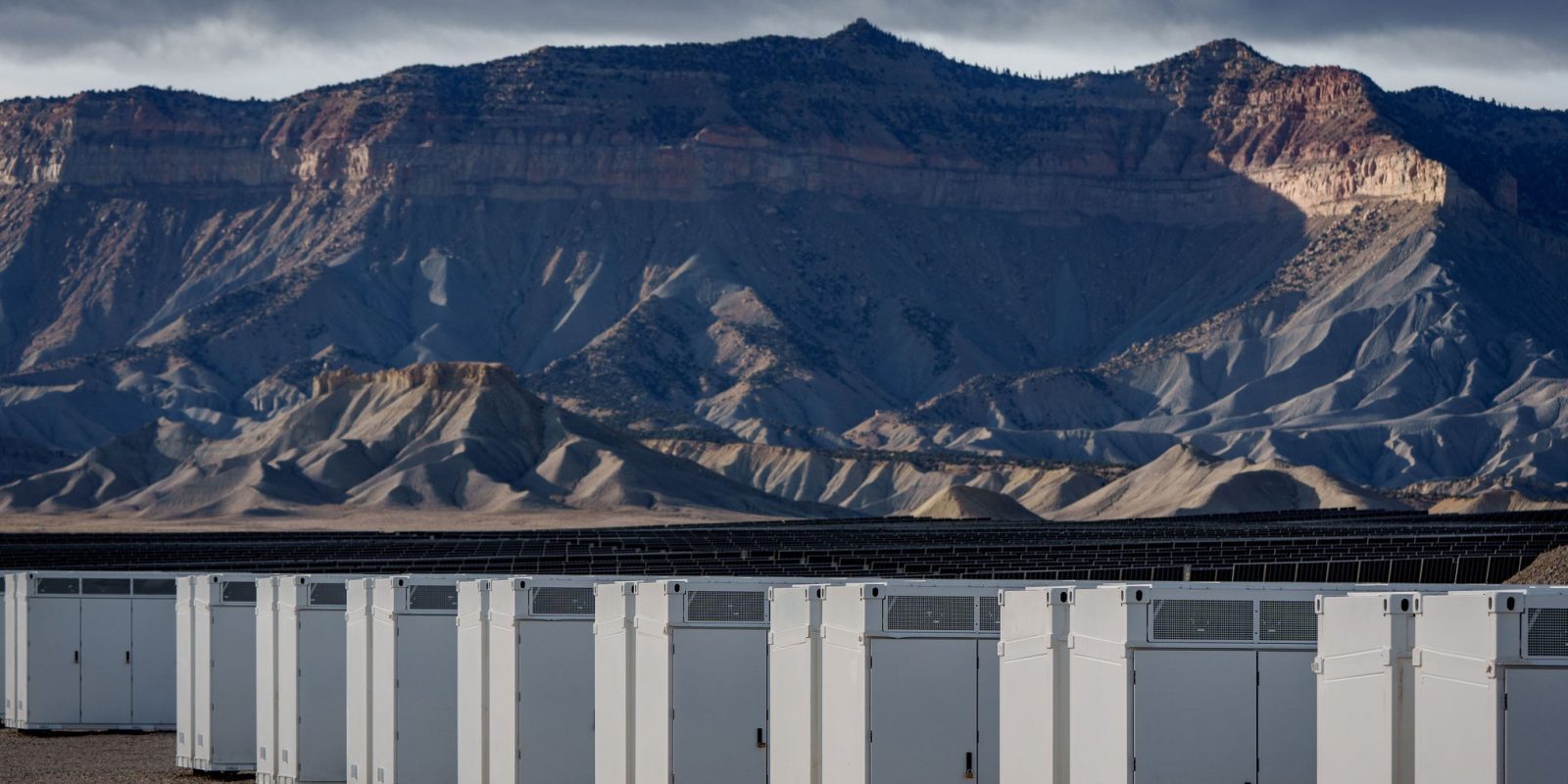
In the second quarter of 2026, the United States achieved a significant milestone in solar energy development, reaching an installed capacity capable of generating enough clean electricity to power more than 50 million homes. This figure represents over one-third of all U.S. households, underscoring a substantial expansion in renewable energy infrastructure. The growth in solar power has been particularly pronounced in states often characterized as "red states," indicating a bipartisan embrace of renewable energy solutions.
This surge in solar capacity is a testament to ongoing investments and policy support for clean energy across the nation. The cumulative installed solar power capacity in the U.S. has grown substantially over the past decade, driven by declining costs of solar panels, advancements in technology, and increasing awareness of climate change impacts. Federal tax credits, such as the Investment Tax Credit (ITC), have played a crucial role in incentivizing the development of utility-scale solar farms and distributed solar installations for residential and commercial use. State-level renewable portfolio standards (RPS) have also been instrumental in driving demand for solar energy, requiring utilities to source a certain percentage of their electricity from renewable sources.
The trend highlights a broader shift in the U.S. energy landscape, moving away from traditional fossil fuels towards cleaner alternatives. This transition is not only driven by environmental concerns but also by economic factors, including job creation in the renewable energy sector and the potential for energy independence. The increasing affordability of solar technology has made it a competitive option for electricity generation, even in regions with lower electricity prices. Furthermore, advancements in battery storage technology are beginning to address the intermittency challenges associated with solar power, allowing for more reliable grid integration.
The leadership shown by "red states" in this solar boom is particularly noteworthy. Traditionally, these states have been associated with fossil fuel industries, but the economic opportunities and energy security benefits offered by solar power have led to significant adoption. This widespread deployment across diverse political landscapes suggests that the appeal of solar energy is transcending partisan divides. The continued expansion of solar capacity is expected to contribute significantly to the nation's efforts to reduce greenhouse gas emissions and meet its climate goals, while also bolstering energy resilience and economic growth.
Original source — read the full reporting at the publisher:
Read on ElectrekGet the weekly AI digest
AI news + new model releases, weekly. Drafted by our agents, reviewed by humans.