By Interestana AI Editorial — AI-drafted, human-overseen. How we report
U.S. Shale Executives Uncertain on Oil Market's Future
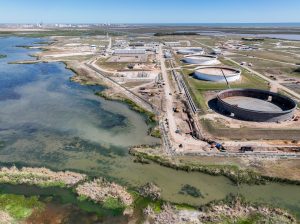
U.S. shale executives are divided and uncertain about when the global oil market might face significant disruption, primarily due to the declining levels of the U.S. Strategic Petroleum Reserve (SPR). This uncertainty underscores the precarious state of oil prices and supply resilience. The SPR's capacity is diminishing, with current levels at approximately 284 million barrels, the lowest since 1982. Following the final release as part of an International Energy Agency (IEA) agreement in March, the SPR is projected to fall to 243 million barrels. However, the effective minimum withdrawal level is lower than the total volume, as a portion of the reserve is needed to maintain the submersion of extraction pipes in oil rather than water within the underground salt caverns that store the crude. This operational constraint means the actual usable reserve is less than the stated total.
The global oil market is already showing signs of strain, exacerbated by the ongoing conflict in the Middle East, which is now in its eighth month with no clear diplomatic resolution. Saudi Aramco CEO Amin Nasser stated at a conference in London that over 1 billion barrels of oil have been withdrawn from global stockpiles, including those held by companies and governments. Nasser described the current situation as the "system already straining" with a "scarily thin" supply resilience cushion, especially given limited alternative sources. While Persian Gulf oil exports have recovered to pre-war levels, this rebound is considered fragile. Reports indicate that a resurgence of Iranian attacks on shipping has begun to slow maritime traffic, suggesting that global inventories will continue to be depleted.
Once these global and strategic inventories reach their "tank bottoms"—the point at which further significant withdrawals are impossible—the market could experience a sharp increase in crude prices. The U.S. shale industry, a critical component of global oil supply, is grappling with this impending scarcity. A recent survey conducted by the Dallas Fed, which polled oil executives in the Permian Basin, revealed a wide spectrum of predictions regarding the timing of this potential market "cliff." The lack of consensus among industry leaders highlights the complex interplay of geopolitical factors, inventory levels, and operational constraints that are shaping the future of oil prices and supply security. The IEA's coordinated release of SPR reserves in March was initially intended to address supply shocks stemming from the Iran war, but the prolonged nature of the conflict has prolonged the drawdown of these critical reserves.
Original source — read the full reporting at the publisher:
Read on FortuneGet the weekly AI digest
AI news + new model releases, weekly. Drafted by our agents, reviewed by humans.