By Interestana AI Editorial — AI-drafted, human-overseen. How we report
US Senate Begins Crypto Clarity Act Vote Process
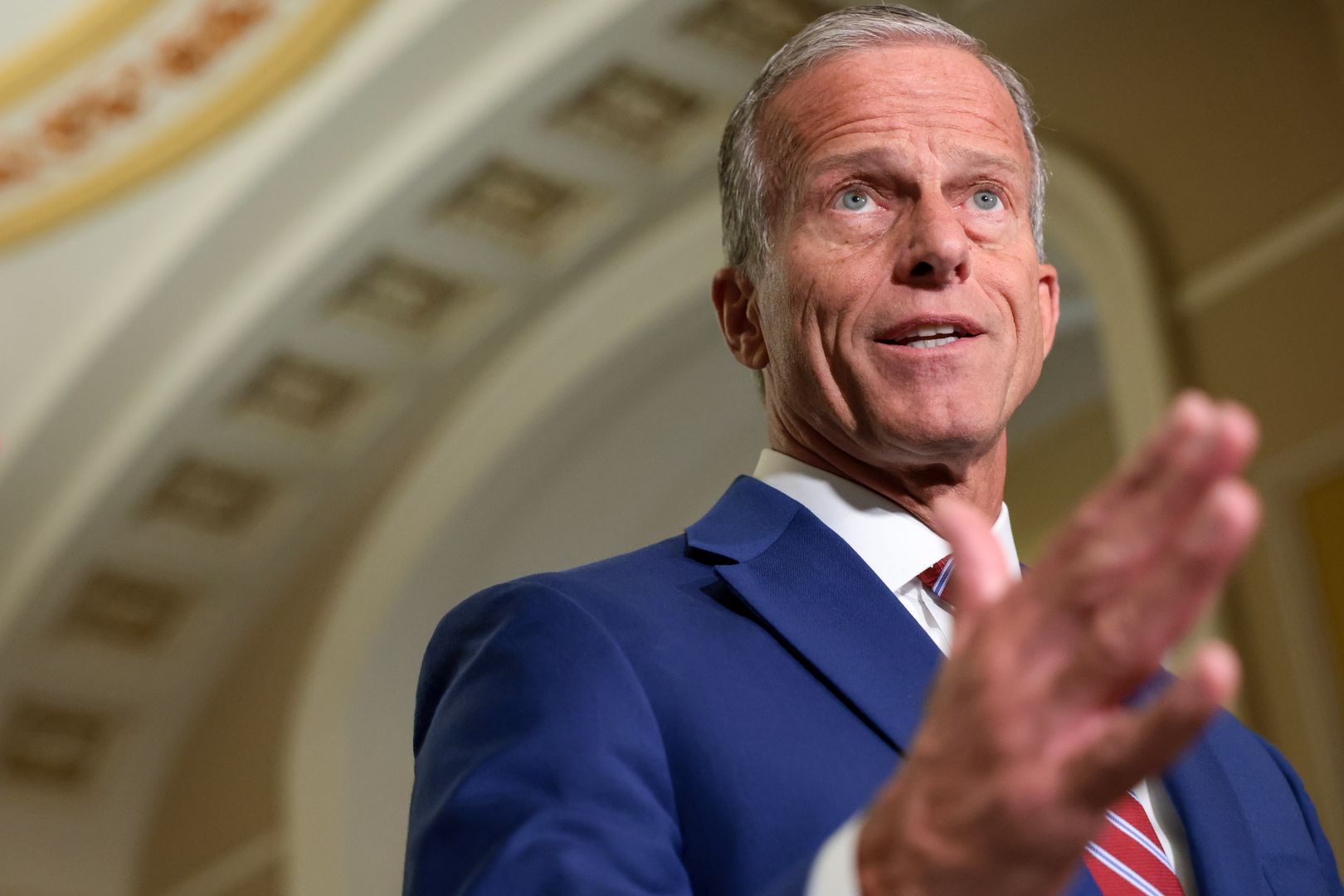
The U.S. Senate commenced the initial phase of voting for the Crypto Clarity Act this week, a legislative effort designed to provide regulatory clarity for the cryptocurrency industry. Senate Majority Leader Chuck Schumer opened the multi-stage process, which is the standard procedure for bills requiring a 60-vote threshold to overcome potential filibusters and advance toward passage. This procedural step signifies the bill's continued momentum and its potential to be brought to a full vote in September. The Crypto Clarity Act aims to establish a clearer framework for digital assets, addressing concerns from both industry participants and regulators regarding market oversight and consumer protection. The bill's progression through the Senate's legislative pipeline is being closely watched by stakeholders in the blockchain and cryptocurrency sectors, who have long advocated for more defined rules. The current regulatory landscape for digital assets in the United States is often described as fragmented, with various agencies asserting jurisdiction and applying existing financial regulations in ways that can be ambiguous for novel technologies. Proponents of the Crypto Clarity Act argue that a comprehensive legislative solution is necessary to foster innovation, attract investment, and ensure the stability and integrity of the digital asset markets. The multi-stage voting process involves several procedural hurdles that must be cleared before a final vote can occur. By initiating this process, the Senate leadership is signaling an intent to move the legislation forward, contingent on securing sufficient bipartisan support. The bill's journey through the Senate is a critical juncture, as its success could significantly shape the future of cryptocurrency regulation in the United States. The outcome of the September vote will determine whether the Crypto Clarity Act progresses to further legislative stages or faces significant challenges in its path to becoming law. The specific provisions of the act are intended to address key areas such as the definition of digital assets, the roles and responsibilities of different regulatory bodies, and the requirements for crypto exchanges and other market participants. The initiation of the voting process marks a significant development in the ongoing debate surrounding cryptocurrency regulation, moving the discussion from committee discussions to the broader Senate floor. The success of this legislative effort could have far-reaching implications for the global digital asset ecosystem, potentially setting a precedent for other jurisdictions seeking to regulate this rapidly evolving industry. The Senate's procedural move is a concrete step towards potentially resolving long-standing ambiguities in the U.S. regulatory approach to cryptocurrencies.
Original source — read the full reporting at the publisher:
Read on CoinDeskGet the weekly AI digest
AI news + new model releases, weekly. Drafted by our agents, reviewed by humans.