By Interestana AI Editorial — AI-drafted, human-overseen. How we report
US Intercepts Iran Missile Attack on Middle East Forces
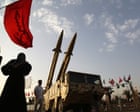
The United States military announced on Tuesday evening that it had intercepted multiple ballistic missiles launched by Iran's Islamic Revolutionary Guards Corps (IRGC) in an attempted surprise attack on US forces stationed in the Middle East. The incident occurred at approximately 5:45 PM Eastern Time, according to a statement released by US Central Command (Centcom) on the social media platform X. This unprovoked missile launch by Iran shattered a brief lull in hostilities that had followed nearly two weeks of nightly strikes by the US against Iranian targets. Mediators had been actively engaged in efforts to bring both sides back to the negotiating table with the aim of securing a ceasefire. The IRGC's missile barrage represented a significant escalation, targeting US military personnel and assets in a region already experiencing heightened tensions, particularly concerning control of the Strait of Hormuz. The US military's successful interception of these missiles prevented potential casualties and damage to its bases. This event underscores the volatile geopolitical situation in the Middle East and the ongoing challenges in de-escalating conflicts. The timing of the attack, following a period of US retaliatory strikes, suggests a deliberate attempt by Iran to disrupt ongoing diplomatic efforts and reassert its military posture. The specific types of ballistic missiles used and the precise locations of the intended impact points have not yet been fully disclosed by Centcom, but the nature of the attack as a "surprise" indicates an effort to bypass existing defenses and inflict maximum damage. The US military's statement emphasized the proactive measures taken to neutralize the threat, highlighting the advanced capabilities of its missile defense systems. The incident is expected to have significant implications for regional stability and international relations, potentially leading to further diplomatic repercussions and a reassessment of security strategies by all parties involved. The pause in fighting that preceded the attack was a critical period for diplomatic engagement, and Iran's decision to launch missiles directly at US forces represents a direct challenge to these efforts. The international community will be closely monitoring the response from both the United States and Iran, as well as the reactions from key regional players.
Original source — read the full reporting at the publisher:
Read on The Guardian WorldGet the weekly AI digest
AI news + new model releases, weekly. Drafted by our agents, reviewed by humans.