By Interestana AI Editorial — AI-drafted, human-overseen. How we report
US Sanctions Cuban Construction Ministry and Institute
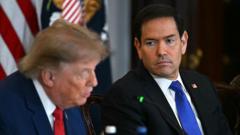
The United States has imposed new sanctions on two Cuban entities: the Ministry of Construction and the International Institute of Socialism. Senator Marco Rubio announced these sanctions, which target organizations involved in economic activities that the U.S. government deems detrimental or supportive of the Cuban regime. The Ministry of Construction is a key governmental body responsible for overseeing and executing infrastructure projects and development within Cuba. Its inclusion on the sanctions list suggests a U.S. effort to limit the financial resources and operational capacity of a sector critical to the Cuban economy. The International Institute of Socialism, also targeted, appears to be an organization focused on ideological and political training, potentially linked to promoting socialist principles or supporting political movements aligned with Cuba's government. The U.S. Treasury Department's Office of Foreign Assets Control (OFAC) is typically responsible for implementing and enforcing such sanctions, which can include asset freezes and prohibitions on U.S. persons engaging in transactions with the designated entities. These measures are part of a broader U.S. policy aimed at pressuring the Cuban government, often citing human rights concerns and the country's political system. The sanctions are intended to restrict the flow of capital and resources to entities perceived as supporting the current Cuban leadership or its policies. This action follows a pattern of U.S. sanctions against Cuba, which have been in place for decades, though their specific targets and intensity have varied under different U.S. administrations. The stated goal is often to encourage democratic reforms and improve human rights conditions on the island. The impact of these sanctions can extend beyond the directly targeted entities, potentially affecting their partners, suppliers, and any international businesses that have dealings with them. Cuba's government has consistently condemned U.S. sanctions as illegal and counterproductive, arguing that they harm the Cuban people and hinder the nation's development. The Ministry of Construction plays a vital role in Cuba's economic planning and execution, managing projects ranging from housing to industrial facilities. Its sanctioning could impede the progress of these developments. The International Institute of Socialism's designation suggests a focus on ideological influence and international solidarity efforts, which the U.S. may view as contributing to the consolidation of power or the promotion of policies it opposes. The specific nature of the economic activities being sanctioned is not detailed in the initial announcement but typically involves financial transactions, trade, or investment. The U.S. government's objective is to isolate the Cuban regime economically and politically, thereby compelling changes in its governance and policies. These sanctions are a tool within the broader U.S. foreign policy toolkit towards Cuba, aiming to exert pressure without direct military intervention. The long-standing U.S. embargo against Cuba, which these sanctions supplement, has had a significant impact on the island's economy over many years. The designation of these specific entities indicates a continued focus on sectors and organizations that are considered pillars of the Cuban state's economic and political apparatus.
Original source — read the full reporting at the publisher:
Read on BBC World NewsGet the weekly AI digest
AI news + new model releases, weekly. Drafted by our agents, reviewed by humans.