By Interestana AI Editorial — AI-drafted, human-overseen. How we report
US Sanctions Iran-Linked Bitcoin Insurance Scheme
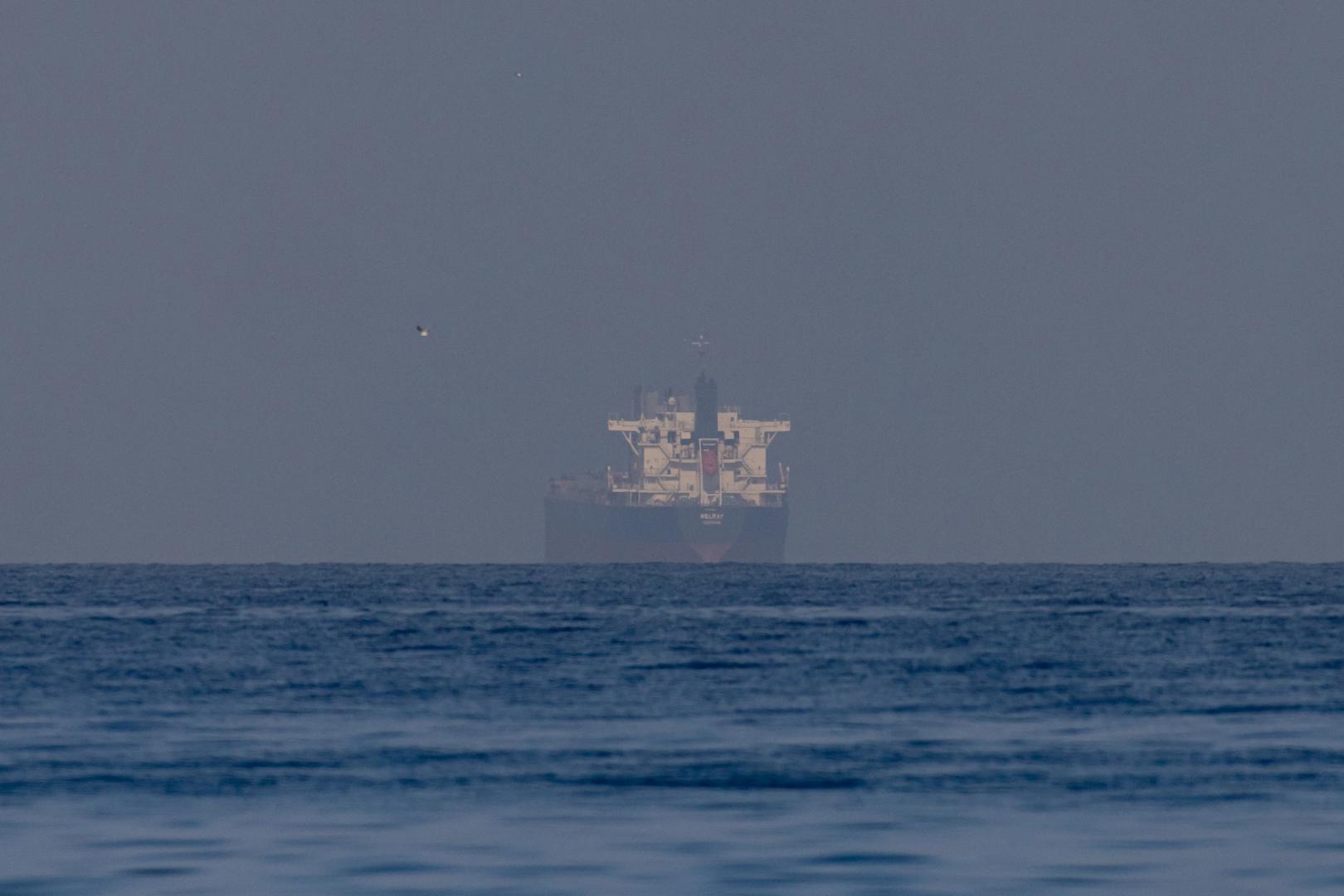
The U.S. Treasury Department announced sanctions on the Hormuz Safe platform on March 19, 2024, alleging it operated as a sanctions evasion scheme for Iran by accepting bitcoin and other digital assets. This platform is accused of facilitating insurance for ships navigating the Strait of Hormuz, a critical global oil transit route, circumventing U.S. sanctions. The Treasury Department's Office of Foreign Assets Control (OFAC) identified the platform as being linked to Iran's Islamic Revolutionary Guard Corps (IRGC), a designated foreign terrorist organization. The IRGC has been instrumental in controlling shipping activities in the Strait of Hormuz, and this alleged scheme aimed to provide financial and insurance services to vessels operating under these controls.
The sanctions target the financial infrastructure that supports Iran's illicit activities, particularly its efforts to bypass international economic restrictions. By accepting cryptocurrencies like bitcoin, the Hormuz Safe platform allegedly enabled Iranian shipping entities to conduct transactions without relying on traditional financial systems, which are more easily monitored and controlled by U.S. authorities. This move by the Treasury Department underscores the ongoing efforts to disrupt Iran's ability to fund its operations and circumvent sanctions through the use of digital assets. The Strait of Hormuz is a vital chokepoint for global energy supplies, and any disruption or illicit activity in this region has significant implications for international markets.
OFAC's action is part of a broader strategy to combat the use of virtual assets for illicit financing. The agency has previously targeted entities involved in ransomware payments, terrorist financing, and other criminal activities that leverage cryptocurrencies. The designation of Hormuz Safe means that any property or interests in property of the platform that come within U.S. jurisdiction are blocked. Furthermore, U.S. persons are generally prohibited from engaging in transactions with designated entities. This measure aims to isolate the platform and its facilitators from the global financial system, thereby disrupting their operations and limiting their capacity to support sanctioned Iranian entities. The Treasury Department has stated its commitment to using all available tools to counter Iran's destabilizing activities and its use of the financial system for illicit purposes.
The IRGC, a powerful military and economic force within Iran, has been under U.S. sanctions for years due to its support for terrorism and its role in regional conflicts. The alleged involvement of the IRGC in controlling shipping and facilitating sanctions evasion through platforms like Hormuz Safe highlights the complex and persistent nature of Iran's efforts to undermine international sanctions regimes. The use of bitcoin and other digital assets presents a unique challenge for sanctions enforcement, as these technologies can offer a degree of anonymity and cross-border transaction capabilities that are difficult to track through conventional means. The Treasury Department's action against Hormuz Safe signals a continued focus on identifying and disrupting these cryptocurrency-based sanctions evasion networks.
Original source — read the full reporting at the publisher:
Read on CoinDeskGet the weekly AI digest
AI news + new model releases, weekly. Drafted by our agents, reviewed by humans.