US Revokes Iran Oil Waiver After Tanker Attacks
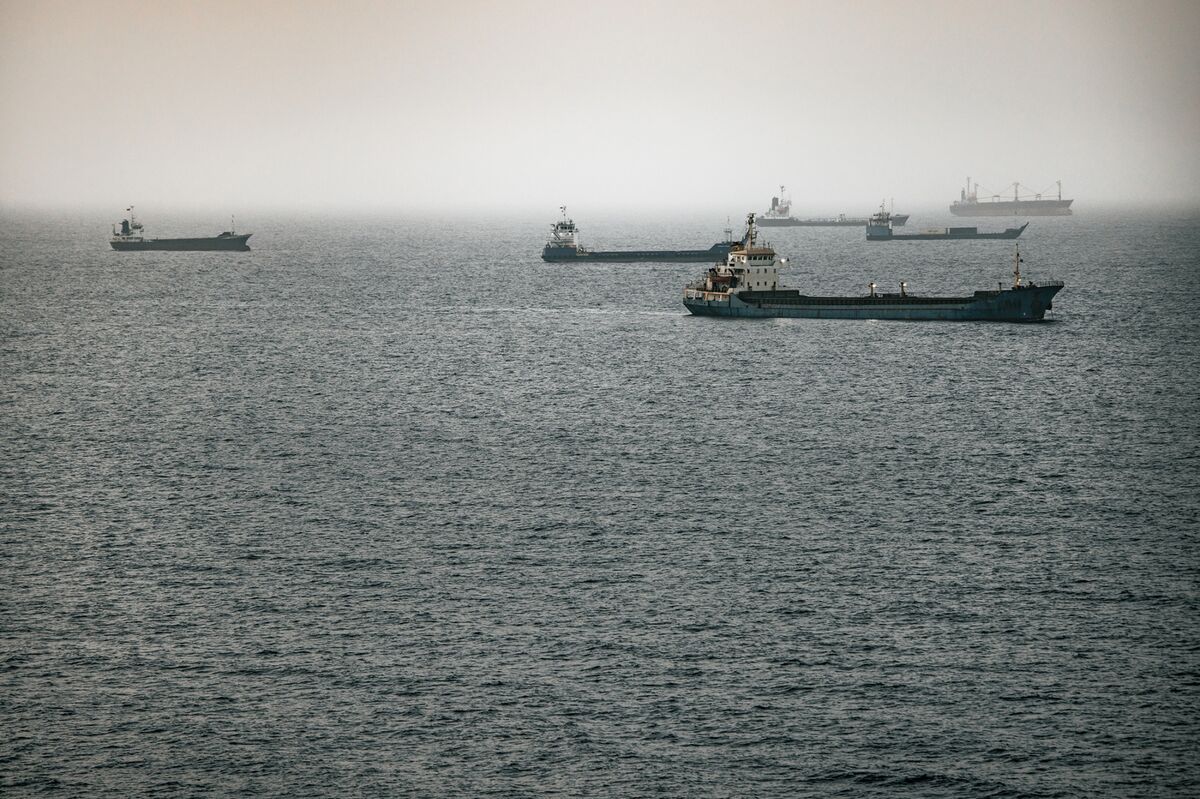
The U.S. Treasury Department announced the revocation of a previously granted waiver that permitted the sale of Iranian oil. This decision was made in direct response to a series of attacks targeting commercial tankers in the strategically vital Strait of Hormuz. The move significantly jeopardizes an interim peace agreement that had been established between Washington and Tehran, potentially escalating regional tensions.
The waiver, which had been in effect for a specified period, allowed certain countries to continue purchasing Iranian crude oil without facing U.S. sanctions. Its revocation means that any nation continuing to import Iranian oil will now be subject to punitive measures, a significant shift in U.S. policy towards Iran's energy sector. The Treasury Department stated that the attacks on maritime traffic were the primary catalyst for this policy reversal, emphasizing the need to deter further aggression.
This action casts a shadow over the ongoing diplomatic efforts aimed at de-escalating conflicts and fostering stability in the Middle East. The interim peace deal, though not a comprehensive treaty, had provided a fragile framework for dialogue and reduced hostilities. The revocation of the oil waiver introduces a new point of contention and raises concerns about the future of this delicate diplomatic arrangement. Analysts suggest this could lead to increased volatility in global oil markets due to potential supply disruptions and heightened geopolitical risks associated with the Persian Gulf region.
The U.S. government's statement did not specify which countries were previously benefiting from the waiver or how strictly the new sanctions would be enforced. However, the clear linkage between the tanker attacks and the policy change indicates a firm stance against actions perceived as threats to international shipping and regional security. The international community is now closely watching for Iran's reaction and the potential ripple effects of this decision on global energy supplies and diplomatic relations.
Original source — read the full reporting at the publisher:
Read on Bloomberg Markets